

‘28 Years Later: The Bone Temple’ Review
Ralph Fiennes delivers the performance of the year in mid-January.

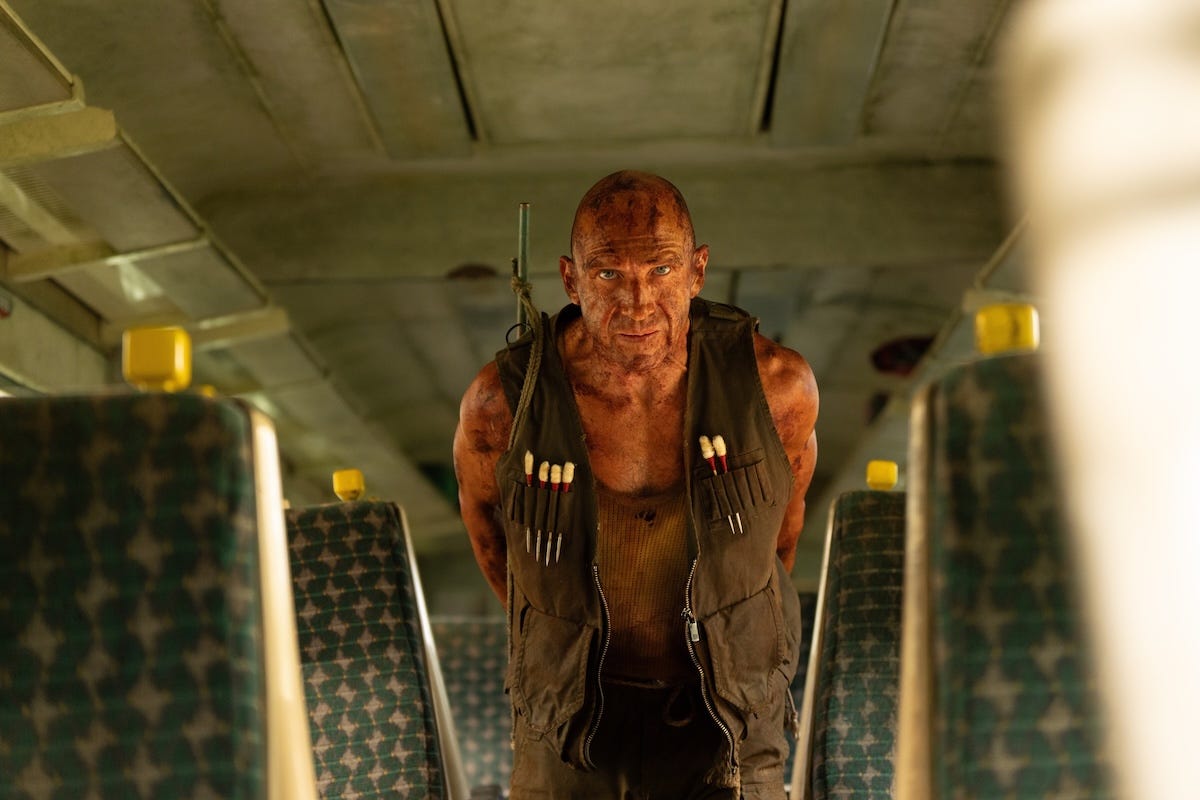
When I first watched 28 Years Later, I was kind of blown away: It was an effective horror film, yes, and one of the few decades-too-late legacy sequels that really paid off. But it was also a very strange film: a strangely edited film, with inserts from older films reinforcing the narrative of British identity, and a strangely shot film, made as it was with an array of iPhone cameras. Director Danny Boyle was having some fun here, but that didn’t stop the movie from including a gutting portrayal of familial love in the midst of a zombie apocalypse personified in the form of Samson (Chi Lewis-Parry, a 6′ 8′′ former MMA fighter), who spent most of the movie ripping heads and spinal columns out of unsuspecting victims intact while hanging (a prosthetic) dong and running through the British dales as the new “Alpha” type of Rage zombie.
The latest installment in the series, 28 Years Later: The Bone Temple, is, in some ways, a much more straightforward film. Director Nia DaCosta isn’t playing games with editing; this isn’t a movie that is deeply concerned with the nature of British nationalism or self-conception. It is less formally inventive, though it still looks great; the nighttime sequences in particular shot with real skill and vibrancy.
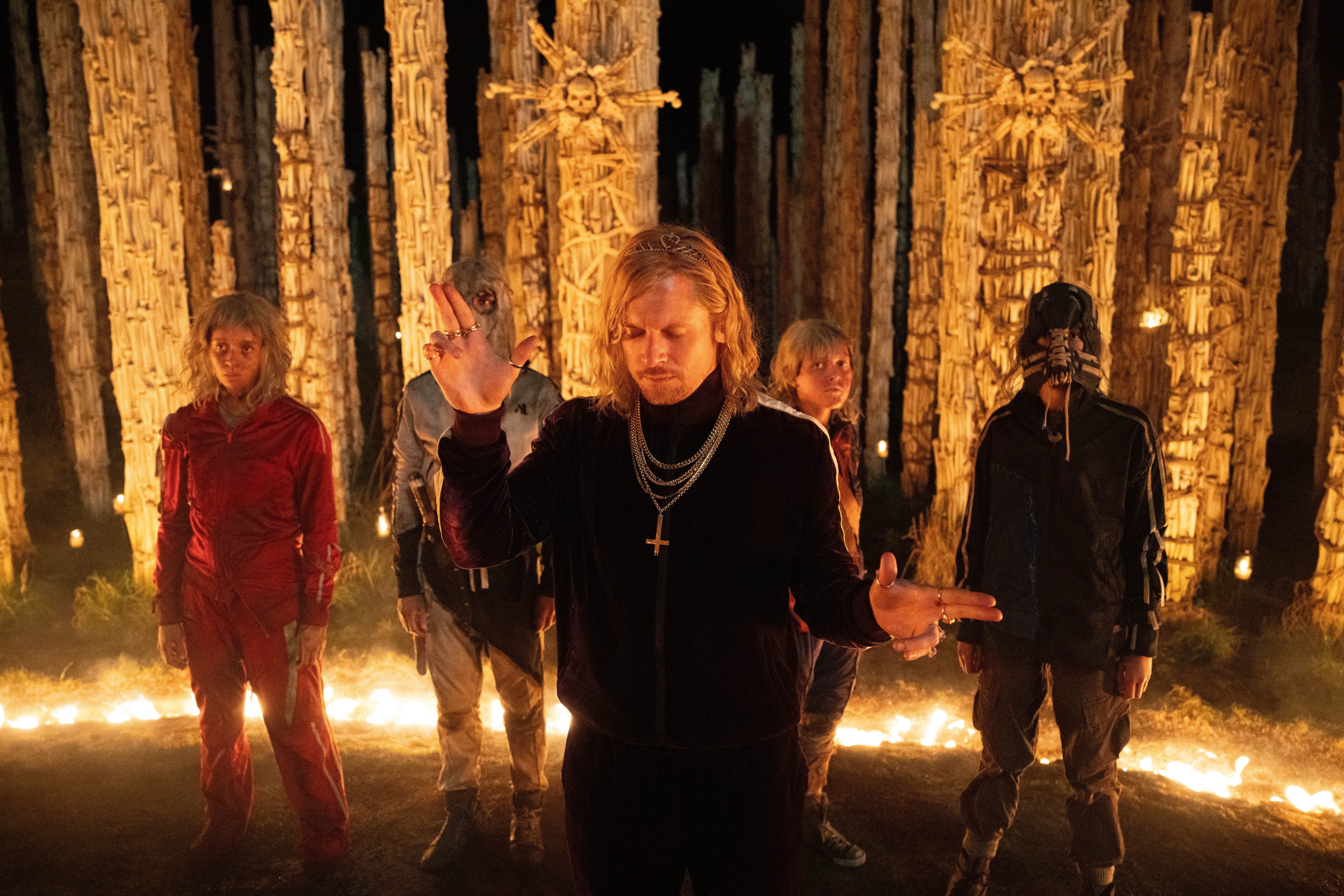
I could describe the plot relatively succinctly. Spike (Alfie Williams), who we saw in 28 Years Later being rescued from the Rage-infected zombies by a gang of youths dressed weirdly like pederast Jimmy Savile and called themselves the Jimmys, joins the gang rather than die and watches in horror as the band of satanists do terrible things to other survivors. The Jimmys eventually come into conflict with Dr. Ian Kelson (Ralph Fiennes), who built the titular ossuary and who has been trying to develop a cure for Samson that will bring him back to normalcy. If the Rage Virus is, in fact, just a virus, it must have a cure. Kelson hopes to find it.
Again: I could describe the plot this way. (I suppose I just did.) And while this general description is more or less accurate, it obscures the incredible weirdness of The Bone Temple. Because this really is not a straightforward action-zombie movie, even though it features a handful of fight-or-flight sequences with the infected and once again hammers home the idea that the real monster in the zombie apocalypse isn’t the flesh-eaters but the so-called humans who have jettisoned their own humanity in the hopes of surviving one more day in the wastes.
It is, for a long stretch of the film … a buddy comedy. There’s really no other way to explain the relationship between Kelso and Samson. And The Bone Temple only really works because Ralph Fiennes commits so completely to the bit: You absolutely buy him as a hermit whose mind has been warped by loneliness into hoping there’s still a chance for the Alpha whose rage he has soothed by enormous doses of morphine. Indeed, long stretches of the picture involve nothing zombie-oriented at all; rather, Kelso has turned his open-air ossuary into an open-air opium den, he and his big naked friend rolling in the grass, stoned out of their minds, letting the world wash over them.
Look, I know we’re in the early going, but Fiennes has delivered the performance of the year and it’s only mid-January. I’m sure there will be other very good performances this year, but none that will commit so fully to the complete insanity that Fiennes has to commit to here as Kelso. Importantly, he does it without making his character seem insane. This is a role that needs wry, dry wit to accompany the over-the-top mania of several of its sequences, and by God, Fiennes pulls it off. The audience I saw this with unexpectedly burst into cheers and started clapping at the end of one of these bits: If you see it in a theater, you’ll know it, and I’ll be curious to hear how y’all’s audiences reacted to it.
There’s more to this movie than nude Alphas and satanists with a penchant for flaying their victims. (Erin Kellyman and Emma Laird are particularly good as the younger Jimmys, while Jack O’Connell concludes a generational run of psychotic villainy, between the 28 Years films and last year’s Sinners.) It is very much a movie about why civilizations collapse and how they can be maintained or rebuilt—a key concern of writer Alex Garland over the last decade or so of his career. If I have one complaint, it’s about the coda that turns this subtextual idea into naked text. But I have a feeling fans will excuse this misstep. Whether or not general audiences will be able to get on board with the rest of the film’s weirdness, I do not know.
Well, I need a distraction from the end of civilization as we know it so maybe a movie where fictional zombies are to blame for the end of civilization will be a nice upbeat mood lifter.
This is the second great review of this film I’ve read. Ok I’m in!