ICE Detention Centers Face Huge Backlash—Before They’ve Even Been Built
Turns out ICE has bad PR.

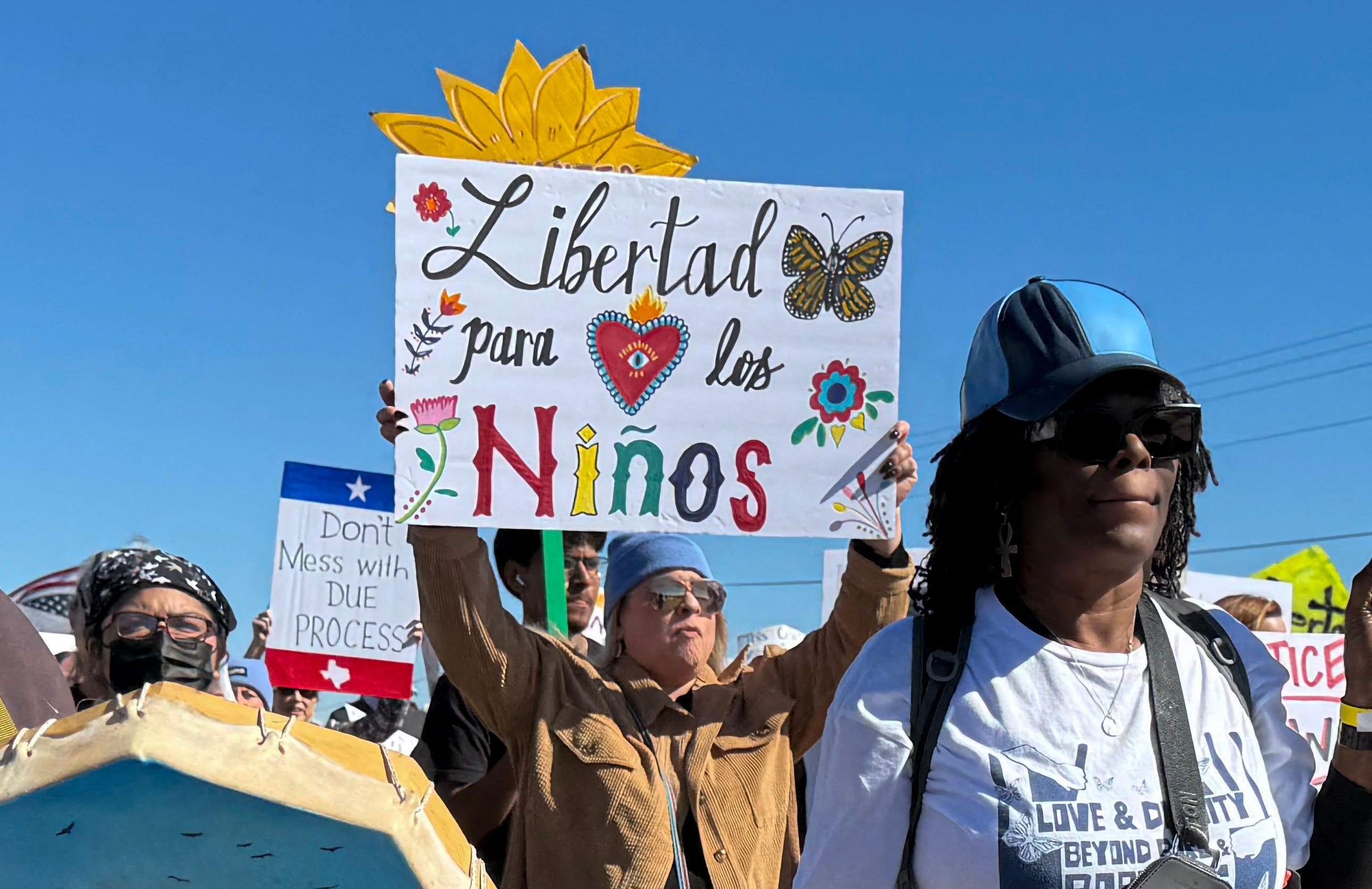
SEVEN MONTHS AGO, the Florida detention center nicknamed, with equal parts triumphalism and cruelty, “Alligator Alcatraz” was all the rage. The Department of Homeland Security was hailing the abominable new prison as the first of many and proudly announcing a “Speedway Slammer” in Indiana and a “Cornhusker Clink” in Nebraska. But now the alliteratively named detention centers are facing a massive backlash, because it turns out that the public cares much more about rampant child abuse than a catchy name.
The online celebration of 5-year-old Liam Ramos’s release from a detention center in Dilley, Texas was tempered by the awareness that many other kids remain trapped in terrible conditions, often with their entire families. Public pressure has helped to free some of them—Mariela Sobrero Chillitupa and her three children, for example, were released last weekend—but the harsh reality is that many more children are still inside, coping with inadequate food, unsanitary conditions, and the rapid spread of disease.
A two-month old baby, Juan Nicolás, had recently been detained with his mother. While in detention, Juan developed a persistent cough that grew worse on Valentine’s Day.
After the fragile newborn started throwing up and choking on Monday, his mother told Univision journalist Lidia Terrazas, he was rushed to the hospital in an ambulance. There, he briefly became unresponsive. Doctors diagnosed Juan with bronchitis, according to Rep. Joaquin Castro (D-Texas), who has been advocating for the baby and his family.
Juan was discharged from the hospital a few hours after arriving Monday night, and Tuesday morning his mother was told by an immigration judge that she would be deported; she was not told when or where. Juan was sent back to Dilley, but the situation was so chaotic that it was unclear to Castro and other advocates where the baby actually was. They received their answer Tuesday night, when the Nicolás family’s attorney confirmed that Juan, his sixteen-month-old sister, and his parents had been deported to Mexico with only their commissary money, which totaled $190.1
Castro called the decision to deport a sick baby and his family “monstrous” and said it was possible the family was subjected to backlash for speaking to the media about their situation and advocating for their baby.
“It’s also possible they [federal immigration agents] know the baby is in bad health, and they don’t want to be responsible for what may happen to him in their care, so they deport them,” Castro told me.
The San Antonio congressman has been at the center of the fight to get kids released from Dilley. He met with Liam and his father, whom he personally escorted back to Minnesota following their release, and also pushed for DHS to free 7-year-old Maria Isabella and her mother, asylum seekers from Venezuela. Castro said when it comes to their journey to America, the pair “did it the right way” and “followed all of the rules.” Maria Isabella, whose asthma had been worsening at the detention center, was released with her mom just ahead of her eighth birthday on Monday; they spent the special day together at home with her dad and grandmother.
FOR EVERY HIGH-PROFILE CASE that gets attention from the media (including this newsletter), there are untold other abuses that aren’t yet known—and may never be. Castro told me his office also advocated for a 12-year-old girl who made a sexual-assault claim; she was recently released back into Texas with her mother.
Too many people—including children—are being caught up in the immigration dragnet for the government to quash all their stories, and time and time again, cases that have been brought out of the darkness and into the spotlight have led to
Join Bulwark+ to unlock the rest
Become a paying member of The Bulwark to get access to this post and other subscriber-only content. A subscription gets you:
- Unlimited access to articles and newsletters including The Triad by JVL and Receipts by Catherine Rampell.
- Ad-free editions of our shows (with transcripts) and member-only shows like The Secret Podcast.
- Plus community chats and commenting features. Your support helps keep our work sustainable and available to those who cannot afford a membership. Cancel anytime.