Let the Cadets Meet Tom Hanks
West Point’s decision to cancel a ceremony honoring the actor is a loss for all involved.

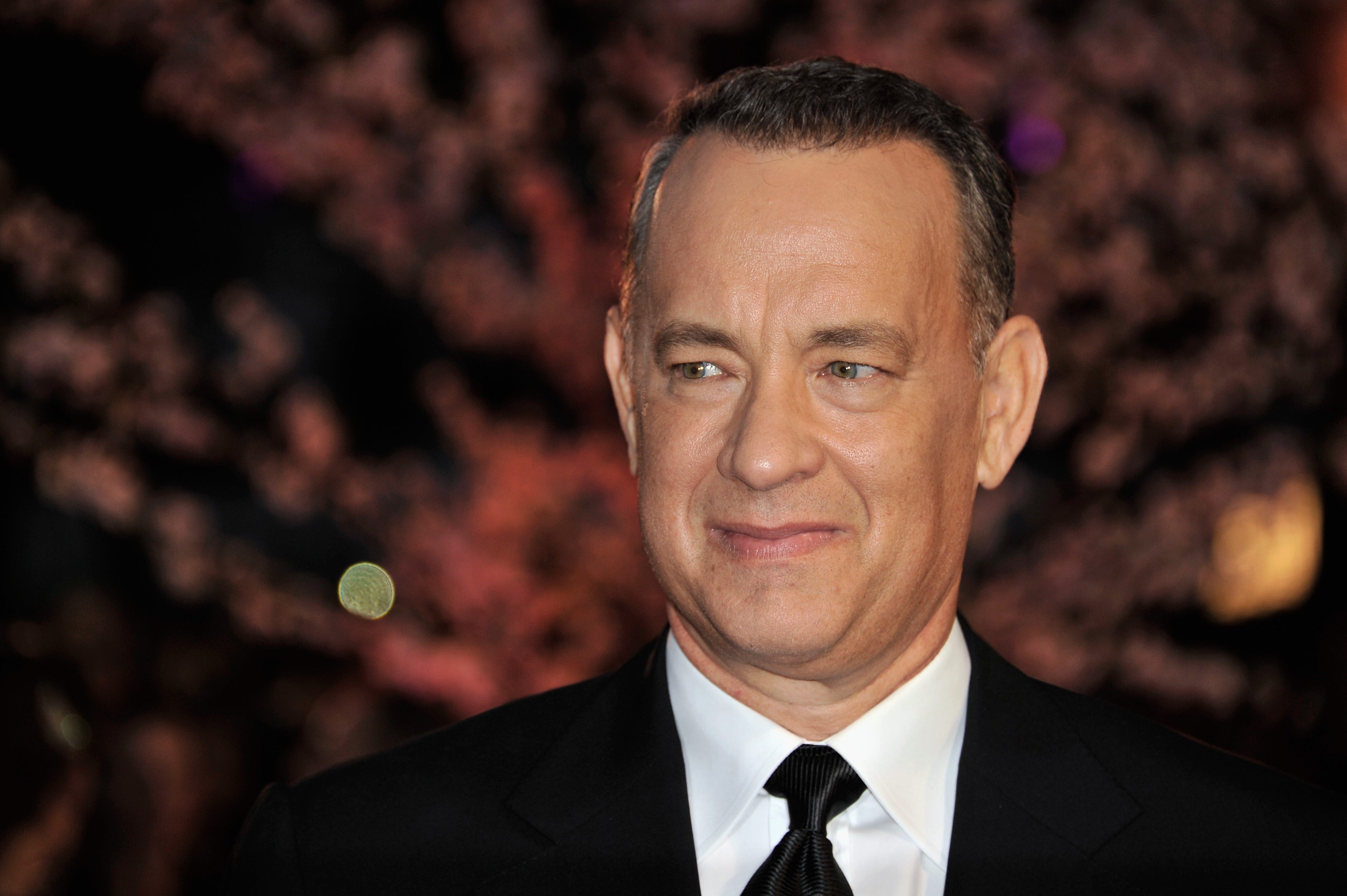
LAST WEEK, THE U.S. MILITARY ACADEMY at West Point canceled plans for a ceremony to honor actor Tom Hanks, recipient of this year’s Sylvanus Thayer Award. The rationale behind the cancellation was not well explained, though an email to West Point graduates (reported in the Washington Post) from Army Colonel (retired) Mark Bieger, president of the West Point Association of Graduates, implied that the award ceremony may be seen as a distraction from the Academy’s “core mission of preparing cadets to lead, fight, and win as officers in the world’s most lethal force.” Although any link to Donald Trump is unmentioned by Col. Bieger, the widespread speculation is that Hanks is being denied the honor because he is a longstanding critic of the president.
As a graduate of West Point, I know what the Sylvanus Thayer Award represents—and why it’s important to the Corps of Cadets and the graduates of the Academy. Created in 1958 and named for the “Father of the Military Academy,” the Thayer Award is presented annually by the West Point Association of Graduates to one U.S. citizen, not a graduate, whose life of service reflects the ideals embodied in West Point’s timeless motto: Duty, Honor, Country.
The award is not given lightly. That’s because the West Point Association of Graduates is unlike other college alumni associations. It was founded in the late 1800s by Academy graduates who had fought on both sides of the Civil War and had come together to quell the divisiveness that remained. Their goal was to again bind their fellow graduates through loyalty to the Academy and to the nation. From its inception, the AOG has stood not just for nostalgia or fundraising but as the steward of West Point’s traditions and values.
For that reason, the recipients of the Thayer Award are chosen because their character, accomplishments, and devotion to national service make them exemplars for the Corps of Cadets. Each year, this fall ceremony reminds cadets—and graduates like me—that leadership of character comes in many forms and in many professions, and that our oath as soldiers to protect and defend the Constitution is geared toward the security of our fellow citizens.
The Thayer Award is not decided by the institution. Rather, it is an honor determined by the graduates, through a process that reflects the breadth of the “Long Gray Line,” the continuum of cadets past, present, and future. Nominations are submitted by classes, societies, and individuals and require secondary endorsement. The AOG Board makes the final decision. I know this firsthand: In the 1990s, while serving on the board, I was among those who recommended Walter Cronkite—an example of how journalists who tell the nation’s story with integrity can also embody Duty, Honor, Country.
This year’s honoree, Tom Hanks, was named a few months ago, and he is a natural and perfect choice. Beyond his celebrated acting career, Hanks has spent decades honoring America’s service members. He produced Band of Brothers and The Pacific, narrated World War II documentaries, supported veterans’ causes, and lent his stature to efforts of historical commemoration and preservation, like the National World War II Museum in New Orleans and the World War II Memorial in Washington, D.C. He played the iconic role of Captain John Miller in Saving Private Ryan—what many consider the greatest war film ever made—bringing to life the courage, fear, and humanity of the American soldier on D-Day and beyond. That performance etched into the national memory the kind of sacrifice cadets are preparing themselves to make.
Hanks joins a distinguished line of recipients. From Francis Cardinal Spellman, the wartime vicar for the Armed Forces; to Secretary of State John Foster Dulles, who shaped America’s role on the global stage; to Neil Armstrong, whose first steps on the moon symbolized American courage and vision; to Father Theodore Hesburgh of Notre Dame, who stood for moral leadership in education and civil rights; to Lt. Col. James Doolittle, whose daring raid in World War II inspired a nation; to Chief Justice Warren Burger, who embodied fidelity to the rule of law; and to Ronald Reagan, whose presidency helped shape the final years of the Cold War—the Thayer Award has honored Americans from every walk of life whose achievements embodied service above self. Tom Hanks belongs in that company.
The Thayer Award ceremony itself consists of two things the Corps of Cadets already does on a routine basis: a parade and a dinner in the Cadet Mess. Cadets march in parades several times a week; the Thayer Parade is the one they most look forward to, because they see and salute an American they admire. The dinner, too, is not an extravagance, but the same communal meal they take every day—only this time with an honoree delivering a speech from the iconic “poop deck.”
To suggest that such a ceremony detracts from the mission of the Academy, as Col. Bieger’s email suggested, is absurd. In fact, it reinforces the mission.
West Point’s mission is not simply to produce warfighters. Its official statement makes this clear:
To build, educate, train, and inspire the Corps of Cadets to be commissioned leaders of character committed to the Army Values and ready for a lifetime of service to the Army and Nation.
Yes, cadets must be prepared for combat. But their education is about far more than lethality. It is about becoming a leader of character—men and women who will embody loyalty, duty, respect, selflessness, service, honor, integrity, and personal courage. Honoring Tom Hanks, who has devoted his life to lifting the stories of America’s soldiers and strengthening the nation’s civic fabric, is not a distraction from that mission. It is a fulfillment of it.
That is why the Trump administration’s decision—issued under the newly rebranded “Department of War”—to cancel the ceremony is such a betrayal. It politicizes a tradition that has always been nonpartisan, and it tells cadets that values like service, humility, and sacrifice matter less than the whims of politicians.
The cadets who attend West Point today will lead America’s Army tomorrow. They deserve to encounter a variety of role models. They deserve to see what service to country looks like in uniform and out. They deserve to be reminded that their oath is not to a president or a party, but to the Constitution.
The Thayer Award is not just about honoring one individual. It is about reaffirming the bond between the Army and the nation it serves. Tom Hanks’s selection reflects the best of that bond. The effort to deny him that honor by only allowing him the award without the honor of the reception at the Academy reflects the worst of what happens when politics corrodes tradition. West Point exists to form leaders of character for a nation of character. A final personal note. I have watched cadets over the years light up when meeting Thayer honorees. I know I did, when I was a cadet and when I served at the Academy for a few years as an instructor. In those moments, cadets see not just a famous name, but a living example of character and service. The conversations about the awardee, the inspiration drawn from the parade, the reminder that the oath links them to Americans of stature and sacrifice—all these leave lasting impressions. To deny cadets the chance to meet Tom Hanks, or any future awardee, is to deny them a moment of inspiration they would carry with them into their service, and into their leadership of America’s soldiers.
 | A guest post by
|