The American Popularity Contest Turns 250
‘Nashville,’ ‘Dazed and Confused,’ and the bicentennial plus fifty.

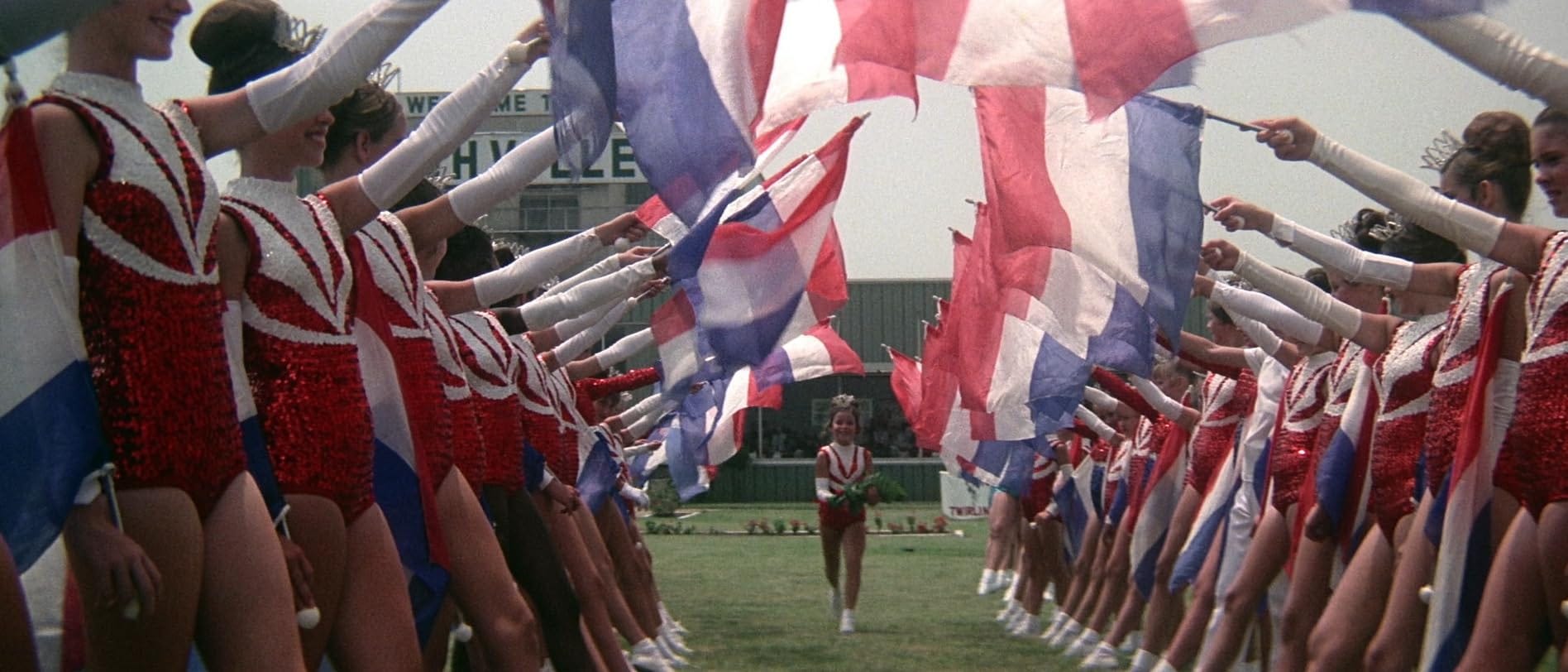
THERE’S AN OMNIPRESENT DRONE in Robert Altman’s Nashville, a constant hum in the background. It’s not the country music tunes that warble throughout the 1975 movie, songs made for the motion picture by Altman and his team. Nor am I referring to Altman’s trademark overlapping dialogue, the thrum and throb of which lent his films their lived-in, real-life quality.
No, it’s a voice coming through a loudspeaker attached to a car, a blaring statement of principles and beliefs: the platform espoused by the “Replacement” party, the standard-bearer of which is one Hal Phillip Walker. One presumes the voice is Walker’s, and one can, at least theoretically, understand the appeal of a man who decries that an automobile costs more than Columbus’s voyage and that there are 288 lawyers in Congress. Do these facts and figures mean a thing? Well, no, they’re quite obviously gibberish. But they sound bad, they sound like something we should all be opposed to, and if there’s anything we’ve learned about the American people these last few years, it’s that they’re suckers for a guy saying things that sound bad.
Nashville is a sprawling, vibrant picture that rotates around that humming drone. The narrative thrust, insofar as the film has a narrative thrust, derives from John Triplette’s (Michael Murphy) efforts to shore up support for Walker’s primary campaign from the musical community in the titular city. (Why there’s so much excitement around a third party’s primary campaign is a separate question; the film’s understanding of politics feels about as slipshod as the campaign it’s mocking.) But neither Altman nor screenwriter Joan Tewkesbury is that interested in politics and policy; they care more about mood and motivation. And there’s no greater motivator in America than the drive for celebrity.
Altman captures an America preparing to celebrate its bicentennial, an America that has grown weary of the tricky politicians and wary of the violence that has swept the nation at home and abroad. The opening scene of the film tracks Haven Hamilton (Henry Gibson) as he attempts to record a hacky song celebrating America’s birthday: “I share our country’s motto / And in God I place my trust. / We may have had our ups and down / Our times of trials and fears. / But we must be doin’ somethin’ right / to last two hundred years.” It’s not that Hamilton doesn’t believe what he’s singing, precisely, it’s that it’s calculated, soulless. The contrast with the vibrant gospel choir singing in the next studio over is telling, but Haven is the bigger name, the more popular figure, and thus the object of Triplette’s attention.
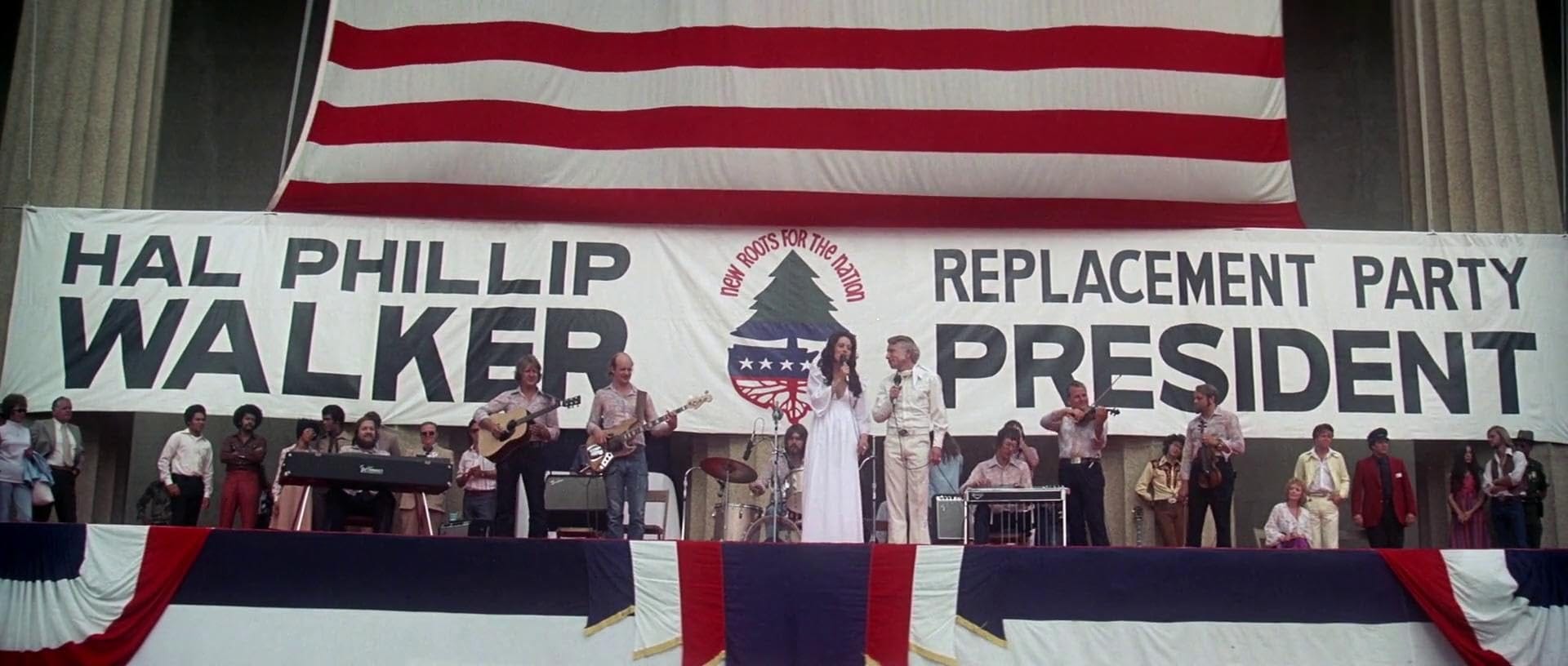
It is celebrity that America revolves around, celebrity that has driven us since the rise of mass media, celebrity that has become the kingmaker in the age of film and TV. It is why Martha, aka L.A. Joan (Shelley Duvall), spends most of her time hanging around rallies and concerts in the hopes of cornering a famous singer for an assignation. It’s why Sueleen Gay (Gwen Welles) dreams of becoming a singer despite having no talent for lyrics and no ability to stay in tune; eventually, she ends up performing a strip show for a bunch of donors on the promise that she’ll get to play at Walker’s big rally, literally shedding her dignity for scraps of attention. And it’s why Linnea Reese (Lily Tomlin) is, perhaps, the happiest character in the film, maybe the film’s only happy character, aside from Jeff Goldblum’s mute magician atop a three-wheeled motorcycle flitting from scene to scene. She’s the one least obsessed with celebrity; her joy comes not from a late-film assignation with a popular musician but from hearing her deaf children explain their day.
“All the allusions tell the story of the great American popularity contest,” Pauline Kael wrote of the film in the months before its release, having seen an early cut of the picture and taken to the New Yorker to sing its praises. “Nashville arrives at a time when America is congratulating itself for having got rid of the bad guys who were pulling the wool over people’s eyes. The movie says that it isn’t only the politicians who live the big lie—the big lie is something we’re all capable of trying for.”
Name your faves: As we head into the long Fourth of July weekend, I wanted to ask y’all what are some of your favorite movies about America. A couple years back, I wrote about Clint Eastwood’s masterpiece, Unforgiven, as well as Kevin Costner’s more recent effort Horizon: An American Saga—Chapter One. Let’s get a whole list going in the comments, can we?
And if you’re reading this and want to chime in but haven’t yet signed up for a Bulwark+ membership, make sure to take advantage of our Fourth of July week sale. We’re saving America one sub at a time, folks.
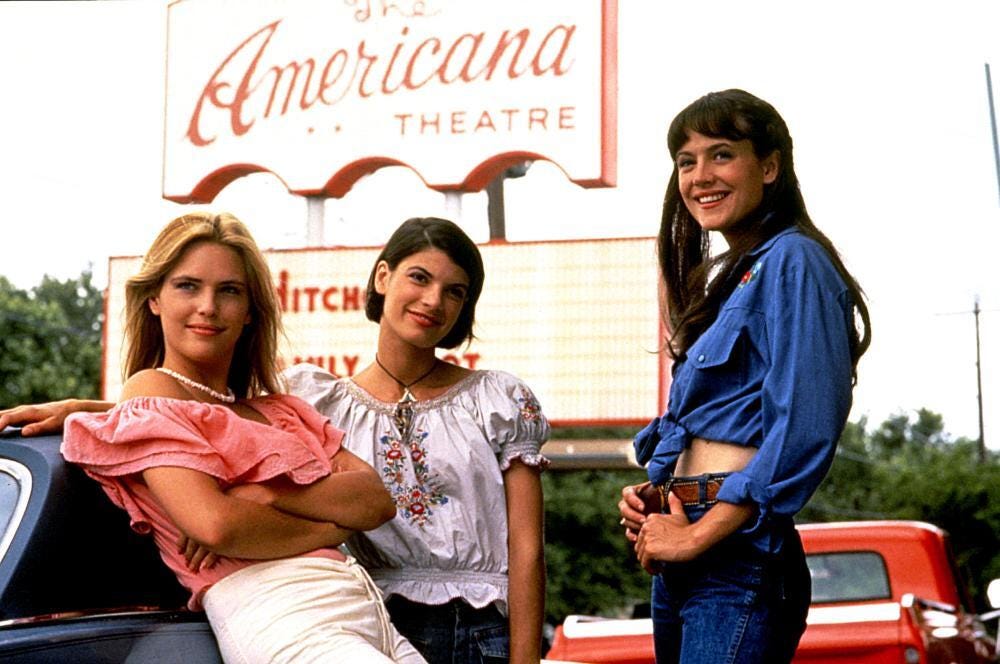
THE ETERNAL DRIVE FOR POPULARITY is also a key component of Dazed and Confused, another bicentennial-set ensemble film, albeit one that came nearly two decades after the celebration rather than a year before. Richard Linklater’s semi-autobiographical look back at life in a mid-size Texas town for competing cliques of high school kids is sentimental without being mawkish or rose-tinted.
Starting on the last day of school in 1976 and winding up early the next morning, Linklater’s camera follows jocks and dorks, nerds and burnouts, all of whom believe they are living in a moment of significance, none of whom experience the catharsis of a significant event. Unlike Nashville, moving remorselessly, if chaotically, toward its tragic climax, Dazed and Confused has the rough-hewn feeling of life: a series of things that just kind of happen, a panoply of small decisions that add up to the world we choose to build.
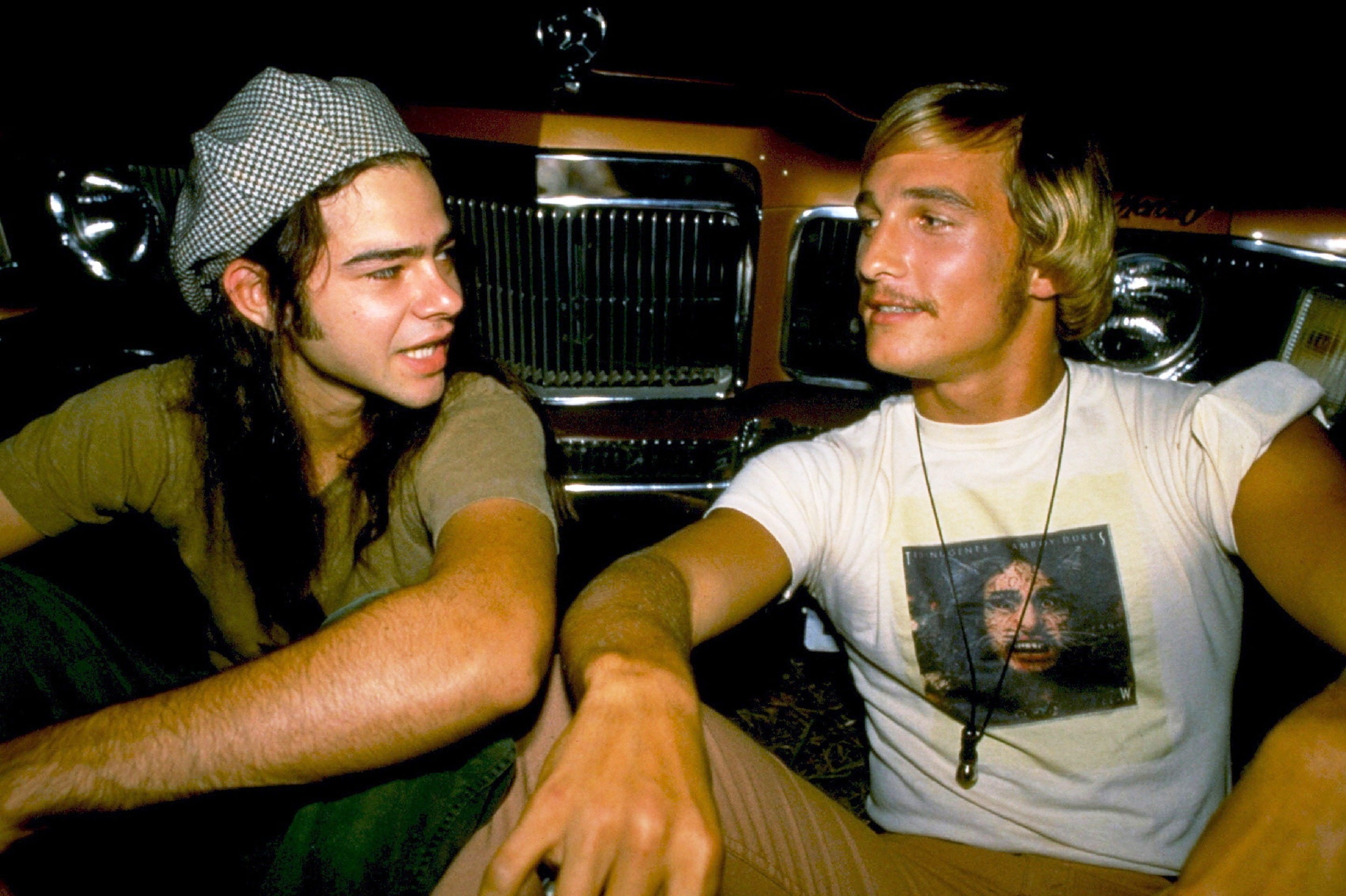
And for a film about traditions and the crushing inescapability of them, this is very much a movie about choice. One of the running subplots involves rising freshmen attempting to avoid being paddled by more psychotic members of the senior class like Fred O’Bannion (Ben Affleck). He’s the sort of guy who watches Deliverance and sees an instruction manual in the “squeal like a pig” sequence: He wants to make sure the young’uns remember their encounter with his thick stick of hickory. Randall “Pink” Floyd (Jason London), on the other hand, lets them off with love taps.
But Pink still submits to the tradition; he understands his place as king of the jocks makes certain demands on him. This is, maybe, the most American of all traits, the desire to fit in within the in-group; for a nation of rebels, a nation born in rebellion some 250 years ago, it is also a nation of strivers, of people seeking to belong. It is telling that Pink’s eventual act of defiance—his refusal to sign a pledge renouncing the use of drugs or alcohol that he knows neither he nor his teammates will uphold, despite the rest of them all having signed it—is itself rooted in his coach’s violation of tradition. This is a new demand, a new requirement, one the team has never been forced to submit to before. When Pink refuses to live by lies, he is, in his own weird way, defending tradition by maintaining his individual autonomy.
And how does Pink celebrate? By hopping in a car and heading to Houston to pick up tickets to see Aerosmith. Because, as Nashville before it was keenly aware, music is as intricately woven into the tapestry of American life as baseball, apple pie, and high school keggers.
I commented on the uneven NYT piece about films representative of America, and I’ll say the same here: “The Godfather,” an immigrant story about principles, violence, money, family, and selling out your morals.
“I believe in America.” Of course. Where else could this happen?
I always watch 1776, the movie based on the play. What I love about is how it shows what everyone is motivated by or loyal to. Characters are loyal to their states, people, military, ideology and it all is a mirror to where we stand and the problems still persist whether it be 1776, 1976, or 2026.