The Man Behind the Tattoo
What Maine voters see in Graham Platner, according to our focus group.

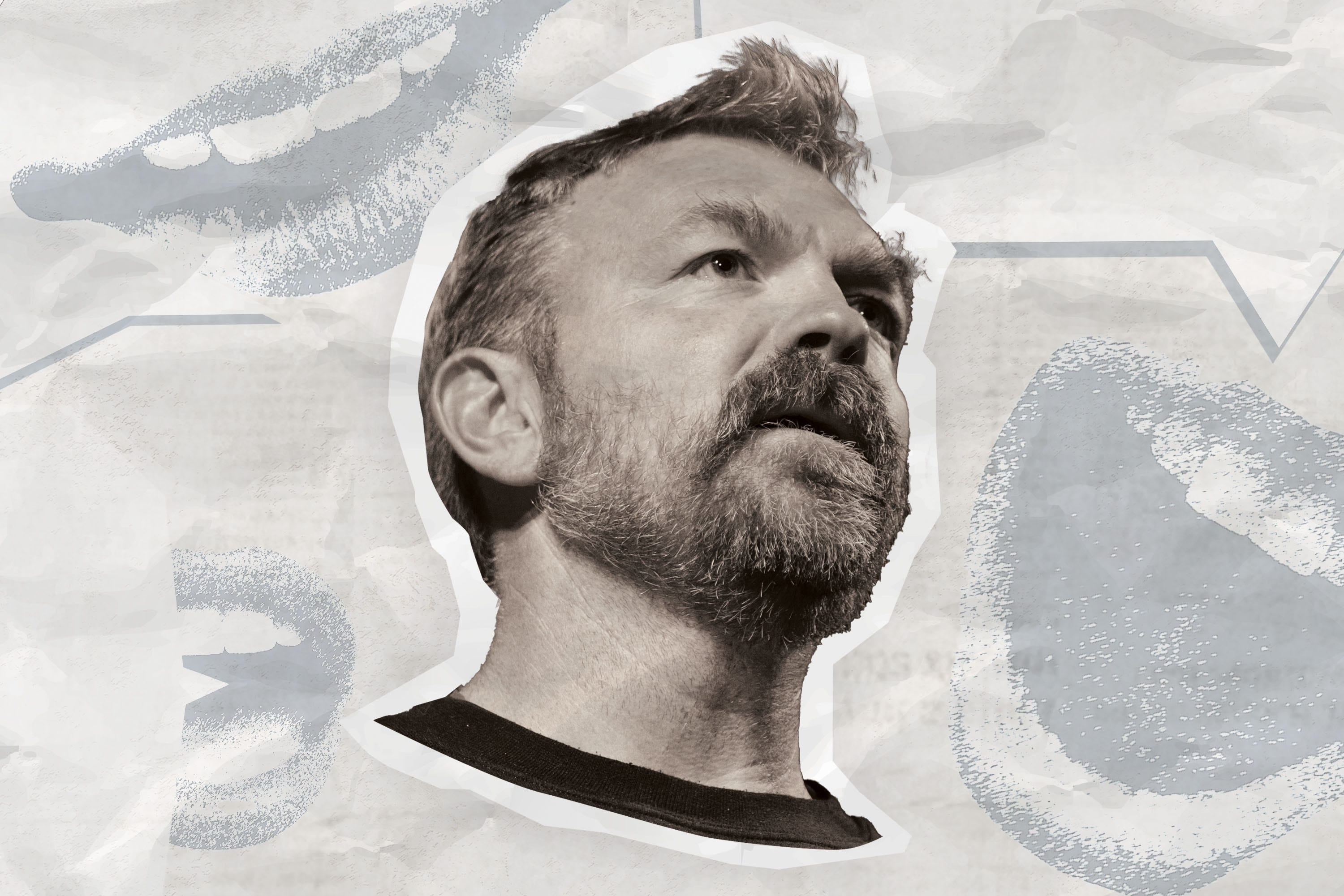
THE MAINE SENATE PRIMARY between Gov. Janet Mills and oysterman Graham Platner was one of the most interesting in the country. It was, that is, when we were planning on devoting a whole episode of the Focus Group Podcast to it—but then Mills, unable to keep up with Platner’s widespread appeal despite his controversies, suspended her campaign. We’re no longer going to devote an entire episode to what amounts to an uncontested primary race—but what our focus group of Maine Democrats said about Platner is still revealing about his candidacy, the state of the Democratic rank and file (or at least some of it), and the appeal of outsider candidates.
This group was consistent with other groups of Maine Democrats we’ve conducted: They mostly liked Mills, but still had little interest in voting for her for Senate. Their reasons were clear: She’s too old and too tied to the party establishment in which voters have lost faith.
As for Platner, they liked his style, his vibe, his outsider status—and for those reasons were willing, for now, to overlook some of his faults. But Platner’s biggest scandal—the Nazi emblem he has tattooed on his chest—definitely came up. Platner has said that he didn’t recognize the Nazi SS’s Totenkopf symbol or understand its meaning when he got the tattoo while stationed in Croatia during his service in the Marines. He has since had the design covered up by another tattoo.
This is what our group of Maine Democrats had to say about Mills and Platner, in their own words:
“The thing about Janet Mills is her age, for one thing,” said Teresa. “She started off, I thought, fantastic. She was sticking to her goals, her promises, her blah, blah, blah. But I mean, she’s had ten years.” (Mills has been governor since 2019; not quite ten years, but you get Teresa’s gist.)
“[Mills] was pushed into this by Chuck Schumer, who I absolutely despise. I think he’s been the weakest, most ineffective Democratic leader,” Sheldon said. “Mitch McConnell has ran rings around him, and I think it was just absolutely ludicrous for [Mills] to run for the Senate at age 79, frankly.” (Mills is 78, but would have turned 79 before taking office if she had won the Senate seat.)
“My thought is that we have so many folks who are over 65 as our political leaders, who are 40 years older than me and most of my friends, and that just doesn’t reflect a lot of the people who are in the workforce, who are trying to build lives and careers right now,” Kathryn said. “I want more politicians who are closer to my stage in life, who can actually reflect the concerns that I have right now.”
While debates rage online about the Democratic party needing to be more moderate or more progressive, Democratic primary voters are focused on a different set of priorities entirely. They want fighters who can win and seem like they care about average people struggling in this economy.
It makes sense that Democratic voters are in the mood for a candidate like Platner, with his oyster-farmer aesthetic and “not a regular politician” energy. But we were still left wondering how voters were processing Platner’s laundry list of personal baggage, from the much-discussed Totenkopf tattoo to the slew of bad Reddit posts. Here’s what they said:
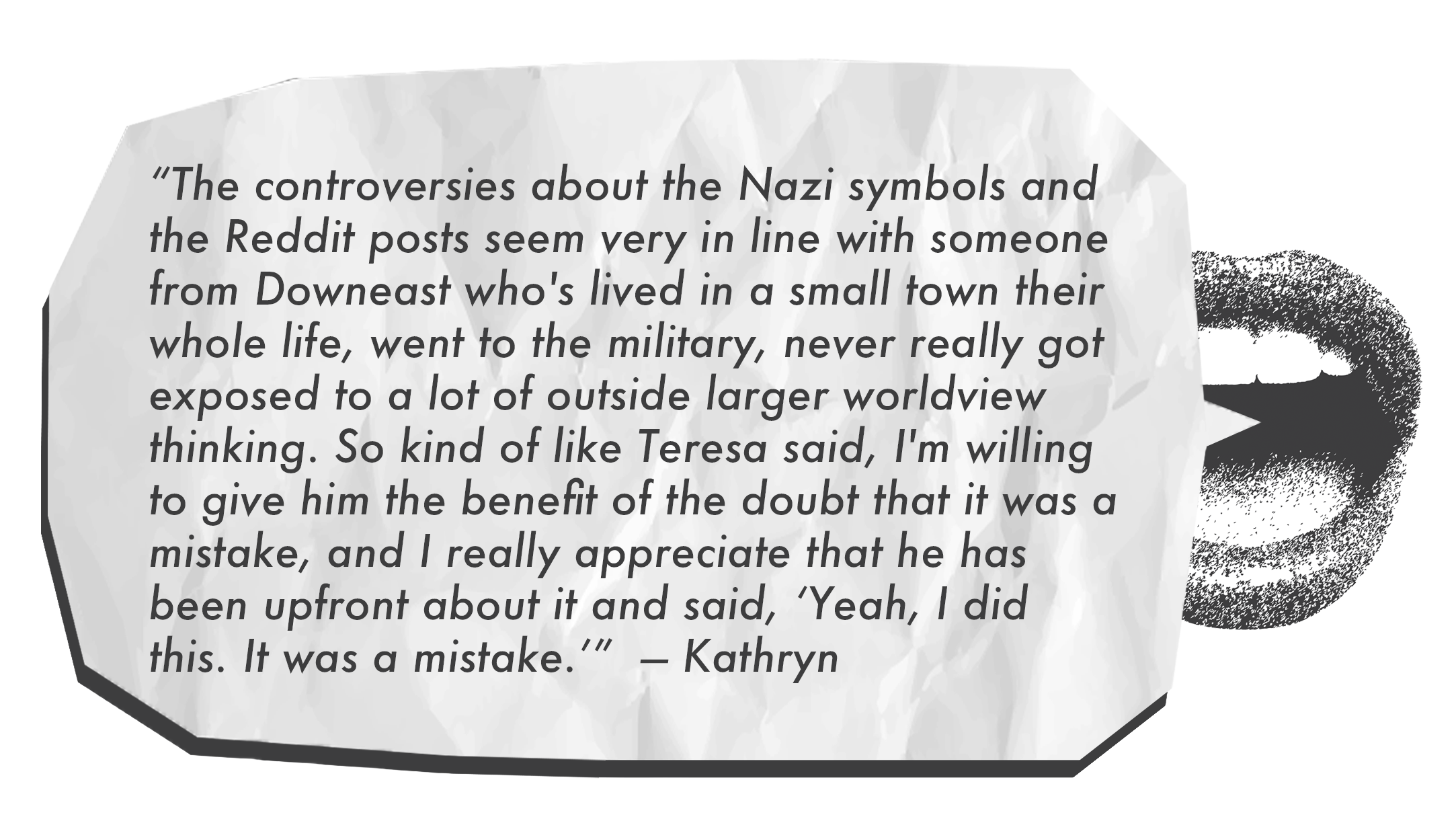
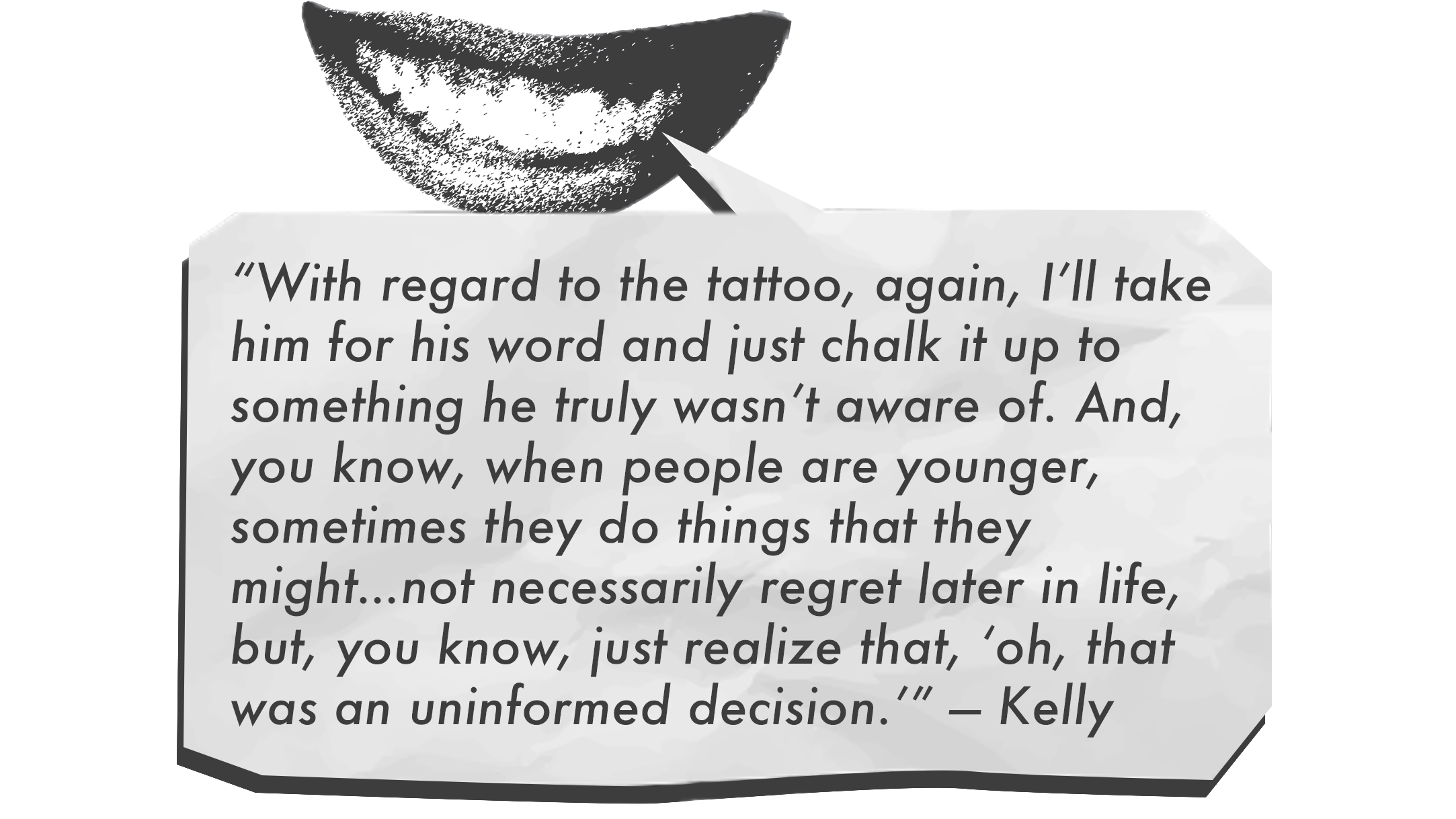
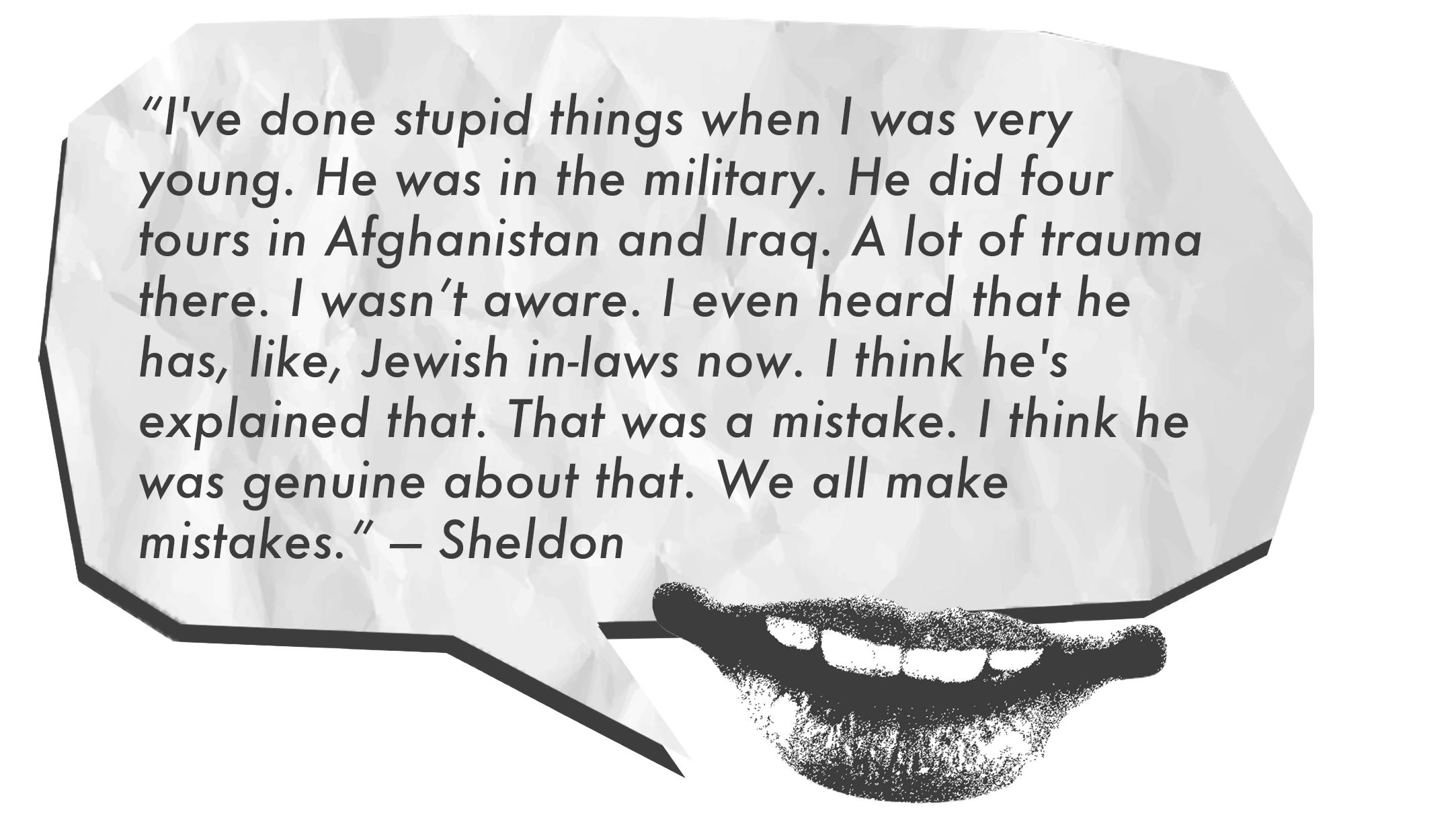
These voters were less concerned about Platner’s Nazi tattoo than whether he would turn out like another exciting, everyman candidate who disappointed Dems since his election: Sen. John Fetterman.
We’ll give Teresa the last word on Platner:
There are a few things happening here:
More than a decade of Donald Trump has Democrats throwing out their old rule book just as they believe Republicans have done.
Voters want candidates who are authentically themselves—warts and all. In fact, a candidate’s vices have started to become markers of authenticity.
Voters want their elected officials to be fighters. Not just fighters against Trump, but fighters for their interests. Many Dem voters have decided that “establishment” Dems aren’t focused on working people, so they are testing out new kinds of candidates.
The question remains whether swingy independent voters will feel the same way.