The Most Influential Influencer in Democratic Politics Is Not Who You Think
For 2028 presidential contenders, the Carlos Eduardo Espina primary has been under the radar—until now.

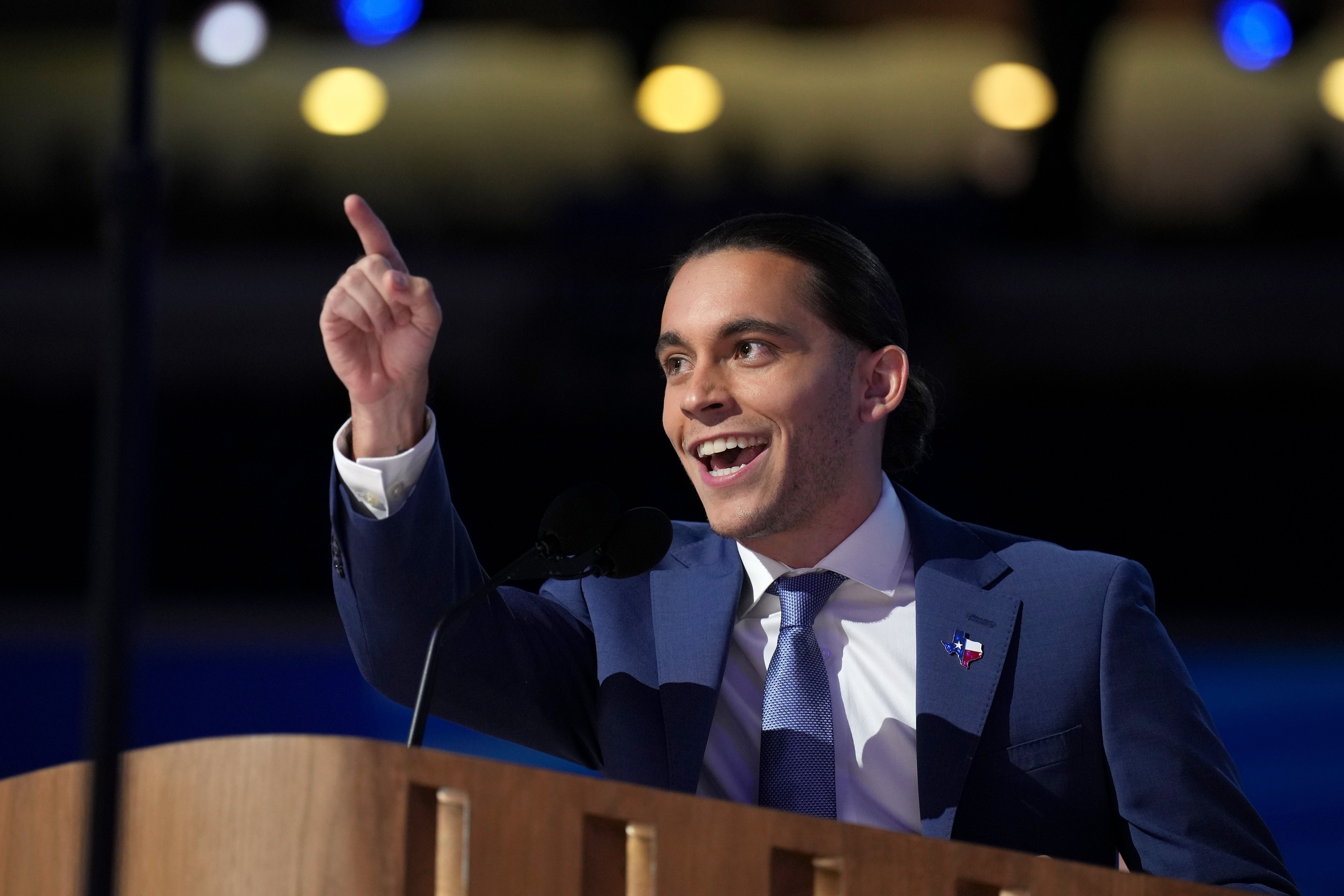
THE MOST SOUGHT-AFTER INFLUENCER in Democratic politics is a Uruguayan-Mexican-American social media personality who once ran a summer camp providing free soccer to low-income kids in central Texas.
Carlos Eduardo Espina may not be a household name in establishment circles in D.C. But if you’re in the business of winning elections, or planning a 2028 presidential run, there are few people more notable or desirable.
Just this month alone, three Democratic governors widely considered to be mulling presidential bids have invited Espina to events around the country, eager to test-drive their likability among a Latino audience by filming low-friction videos with him. Previously, Espina met with three other potential White House aspirants: Rep. Ro Khanna, Gov. Wes Moore, and Pete Buttigieg.1 And in between, Espina put his cultural influence behind two of the most promising Democrats in Texas—state Rep. James Talarico and Tejano singer Bobby Pulido—helping each rack up big numbers among Hispanic voters in their respective primary wins.
The 27-year-old’s influence is tied to the size of his audience with 22 million followers across TikTok, Instagram, and Facebook. But unlike other influencers, he has built up that following not just by posting fun videos, giving man hugs, and snagging invites to high-profile events, but by positioning himself as a voice, advocate, and even gatekeeper for the Latino community. Espina noted to me how it felt to watch ex-presidents speak at the funeral of the recently passed civil rights leader Jesse Jackson.
“There are not that many leaders in the Latino community like that—who are part of politics but still distant from it,” he explained.
Espina migrated from Uruguay to the United States when he was 5 years old and grew up in College Station, Texas. (His father was a U.S. citizen, so Espina was a citizen even before coming to the country—“like Ted Cruz,” he jokes.) He went to college in the liberal arts bastion of Vassar and, from there, got a law degree at the University of Nevada. His work, primarily, was in the world of NGOs. In addition to connecting socioeconomically disadvantaged kids with soccer, he founded another nonprofit in 2019 to support migrants in ICE detention centers, called the Detained Refugee Solidarity Fund.
His entrance into the content-creation game started when he began posting videos that featured citizenship information in Spanish, which is not widely available online in a digestible way. He had been inspired by helping his mother study for her citizenship test. His audience eventually asked him for videos on other immigration topics, which led to his foray into politics.
He didn’t just find his voice. Over time he also became viewed as a trusted validator and messenger, which translated into political clout.
Join Bulwark+ to unlock the rest
Become a paying member of The Bulwark to get access to this post and other subscriber-only content. A subscription gets you:
- Unlimited access to articles and newsletters including The Triad by JVL and Receipts by Catherine Rampell.
- Ad-free editions of our shows (with transcripts) and member-only shows like The Secret Podcast.
- Plus community chats and commenting features. Your support helps keep our work sustainable and available to those who cannot afford a membership. Cancel anytime.