Welcome to Miami: America’s Most ICE-Besieged City
The new mayor explains why mass deportation is more “insidious” in South Florida.

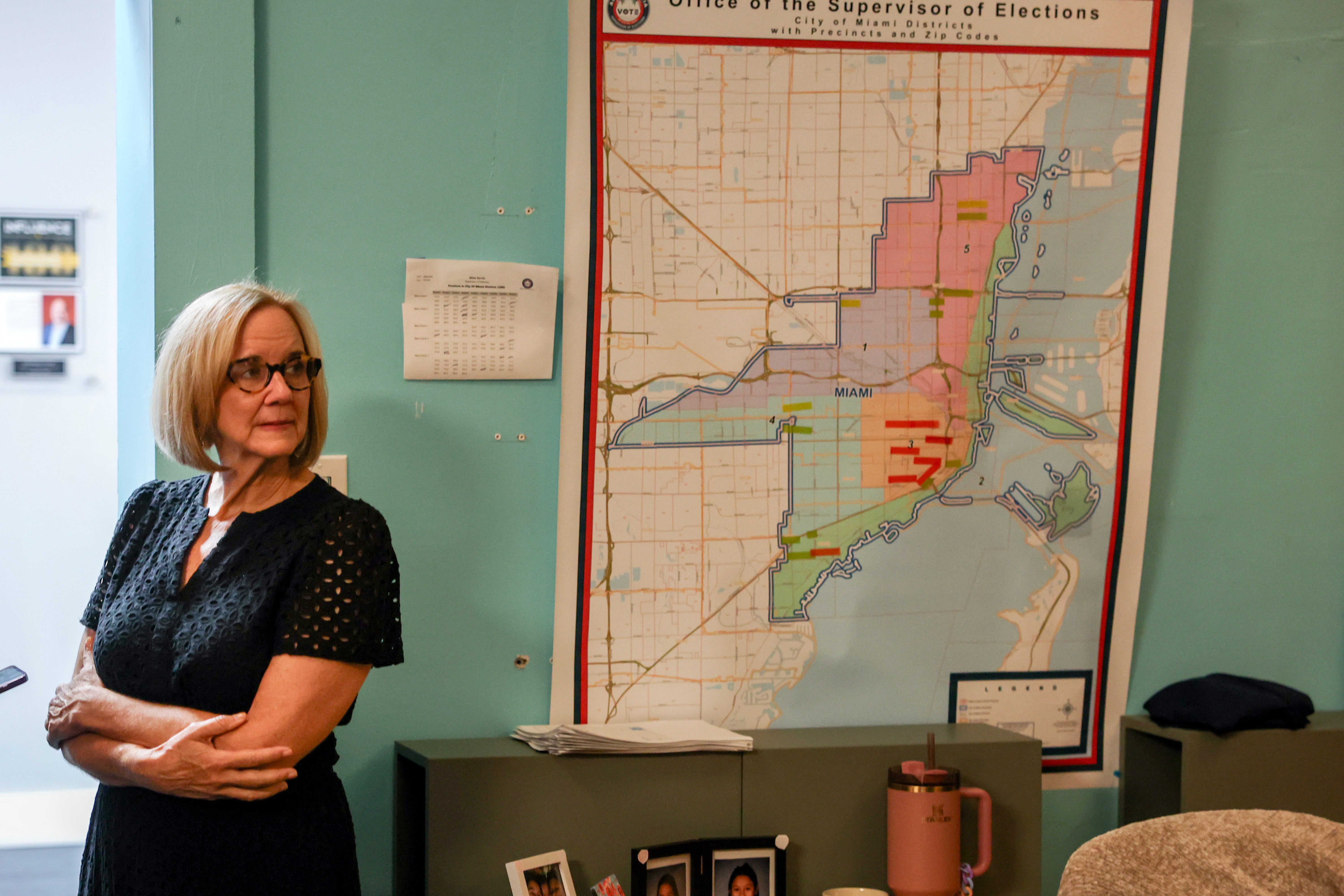
POP QUIZ: WHICH CITY is leading the nation in ICE arrests so far this year? It’s not the Twin Cities, which clocked in at over 5,000 arrests from mid-December to mid-March. And it’s not Chicago or Los Angeles, which were targeted by Donald Trump aggressively last year; they have had, respectively, about 4,900 and 3,300 arrests so far this year.
It’s Miami. The ICE field office in that city led the nation in arrests from December to March, with about 9,900. That comes to roughly 120 a day, more than Dallas, Atlanta, and San Antonio, which follow on the list. Since Trump took office last year, the total number of arrests made by the Miami field office is over 41,000, more than 35 percent higher than the next highest city (Dallas), according to New York Times data.
It’s a remarkable distinction considering Miami’s status as a metropolis that became MAGAfied thanks to Trump’s gains with Latinos. Yet the destabilization that ICE has caused in this bilingual, bicultural South Florida city has received scant media coverage and little attention from the rest of the country—at least compared to what accompanied ICE raids in Minneapolis and Chicago and L.A.
But that could be changing soon, in part because a political backlash is growing. In addition to the ICE raids—and perhaps to some degree because of them—Miami is also experiencing a hard political swing away from Trumpism. It even appears to be returning to its status as a Democratic bastion.
No Democrat better exemplifies the major changes underway in Miami than the city’s mayor, Eileen Higgins.
When she took office 106 days ago, Higgins became the first Democrat to serve as Miami mayor in almost thirty years. She was also the first woman ever elected to the office, and the first non-Hispanic since the 1990s. Facing off against a Republican Latino opponent, she received 59 percent of the vote in the city of almost half a million people, where seven in ten voters are Hispanic.
When I spoke with her this week, I wanted to know:
Join Bulwark+ to unlock the rest
Become a paying member of The Bulwark to get access to this post and other subscriber-only content. A subscription gets you:
- Unlimited access to articles and newsletters including The Triad by JVL and Receipts by Catherine Rampell.
- Ad-free editions of our shows (with transcripts) and member-only shows like The Secret Podcast.
- Plus community chats and commenting features. Your support helps keep our work sustainable and available to those who cannot afford a membership. Cancel anytime.