What Cletus Thinks About “Democracy”
They are who we thought they were. And we let them off the hook.

1. Ethnography
My best friend and I have a long-running dialogue about what The People want, and the nice part of this conversation is that we’re both right. Let me explain.
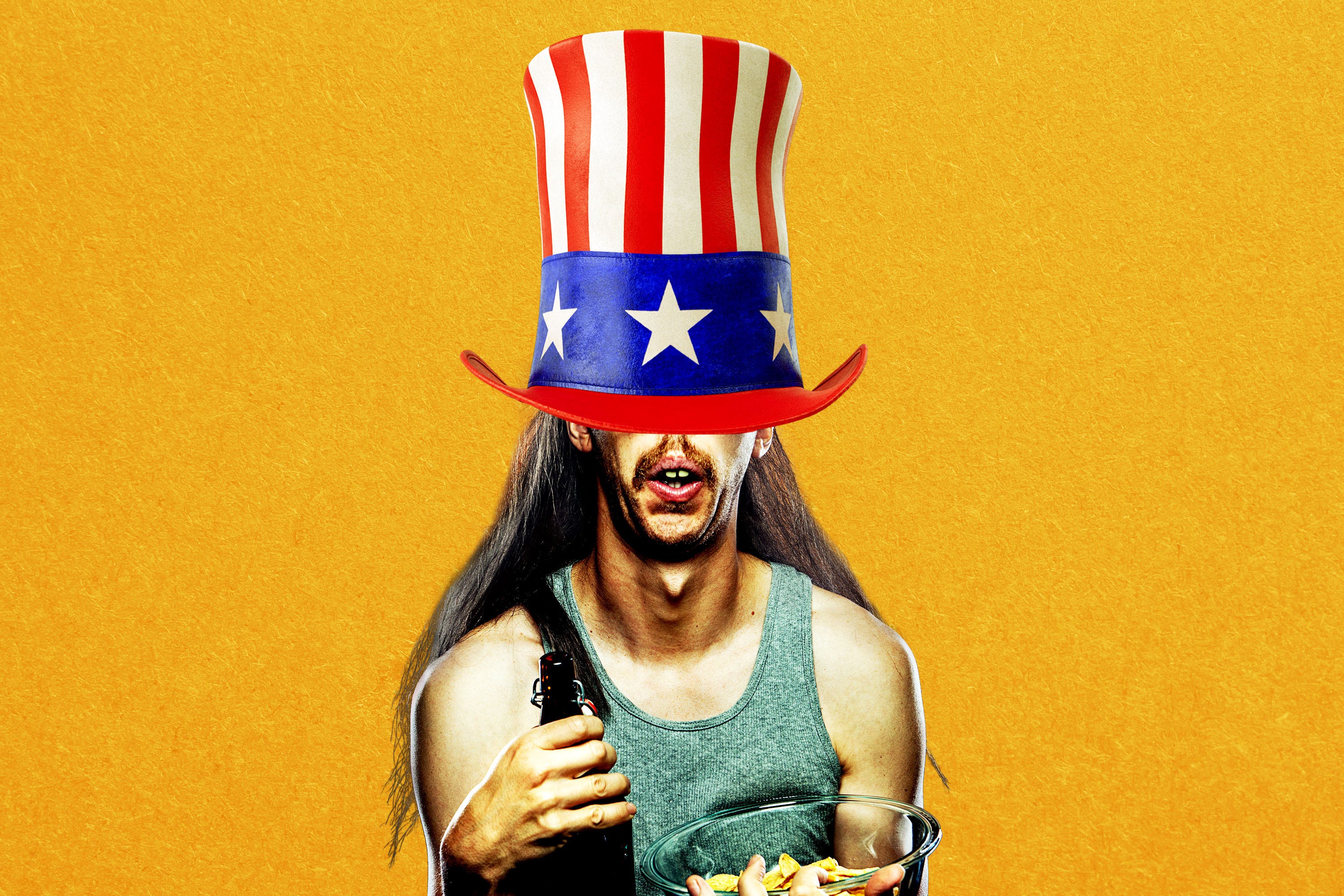
When Sarah and I talk about “The People” we’re using shorthand for a subset of Trump voters that number in the tens of millions. Not the super-online edge lords. Not the captains of industry. Not the professional partisans. We’re talking about the folks who don’t have politics as part of their central identity. We’re talking about the “normal” people, out there in Red America, just living their lives and voting for Donald Trump.
Cards on the table: I do not have a lot of sympathy for these folks. My thesis—especially since 2024—has been that they respond to Trump not in spite of his illiberalism, but because of it. My thesis is that they want the strongman stuff and everything else Trump offers them is beside the point.
Sarah’s thesis is roughly the opposite.
And as I said: We’re both right. If we’re talking about a group of, say, 40 million Americans (give or take), millions of them will be as I see them, and millions will be as Sarah sees them.
But still, it can be useful to understand some of the currents of this group’s thought, even as we allow that there is no single, correct answer.
Today we have something amazing: A big study in which researchers hunkered down with The People and had detailed conversations with them, over long periods of time.
The study, sponsored by the Johns Hopkins Agora Institute and published in May, is here. Researchers embedded with folks in super-red counties in Wyoming, Michigan, and South Carolina. Here’s how they describe their methodology:
This study relies on ethnographic research sustained immersion in people’s homes, lives, and communities through extensive interviews, observations, participation, and relationship-building. Where much democracy research documents what people say they believe, ethnography examines how and why political worldviews take shape within the full context of daily experiences, relationships, and social environments. . . .
The ethnographic stance requires sustained curiosity and a commitment to deeply understanding people on their own terms. Our role as researchers is one of translation: to convey how independent and what some might see as “competing” beliefs make sense within the context of people’s lives.
Pretty amazing, right? Now let me hit you with the big takeaway:
14 out of 21 participants in this study had an immediate negative reaction when asked about democracy.
As a wise man once said: They are who we thought they were.
I want to go deep on this question because the people in the study describe a remarkable consistency about why they dislike democracy. It’s not that they’re misled, or mistaken. They have a coherent worldview.
It’s just not very nice.
Join Bulwark+ to unlock the rest
Become a paying member of The Bulwark to get access to this post and other subscriber-only content. A subscription gets you:
- Unlimited access to articles and newsletters including The Triad by JVL and Receipts by Catherine Rampell.
- Ad-free editions of our shows (with transcripts) and member-only shows like The Secret Podcast.
- Plus community chats and commenting features. Your support helps keep our work sustainable and available to those who cannot afford a membership. Cancel anytime.