
1. Wincon
We have to start with definitions. What does “winning” mean in war? It’s a little like pro wrestling.
In wrestling, you can either have a “clean” win—meaning that both the face and the heel’s storylines recognize the outcome. Or you can have a “dirty” win—in which the match is ended by cheating, or interference, or some other chicanery. With a dirty finish, both wrestlers make plausible claims of victory and it furthers each of their storylines.1
Wars can have clean finishes, but they’re rare. One of the reasons the two world wars are satisfying object lessons is that they had acknowledged winners and losers. Many wars don’t. Korea; America in Vietnam; Iran–Iraq; Iraq 2; America in Afghanistan.2
So let’s think about what “victory” would mean for each party in the current war.
Israel has the clearest set of win conditions. Every day that the United States destroys Iranian materiel is a victory. If the war ended tomorrow, Israel would have achieved most of its aims at very little cost.
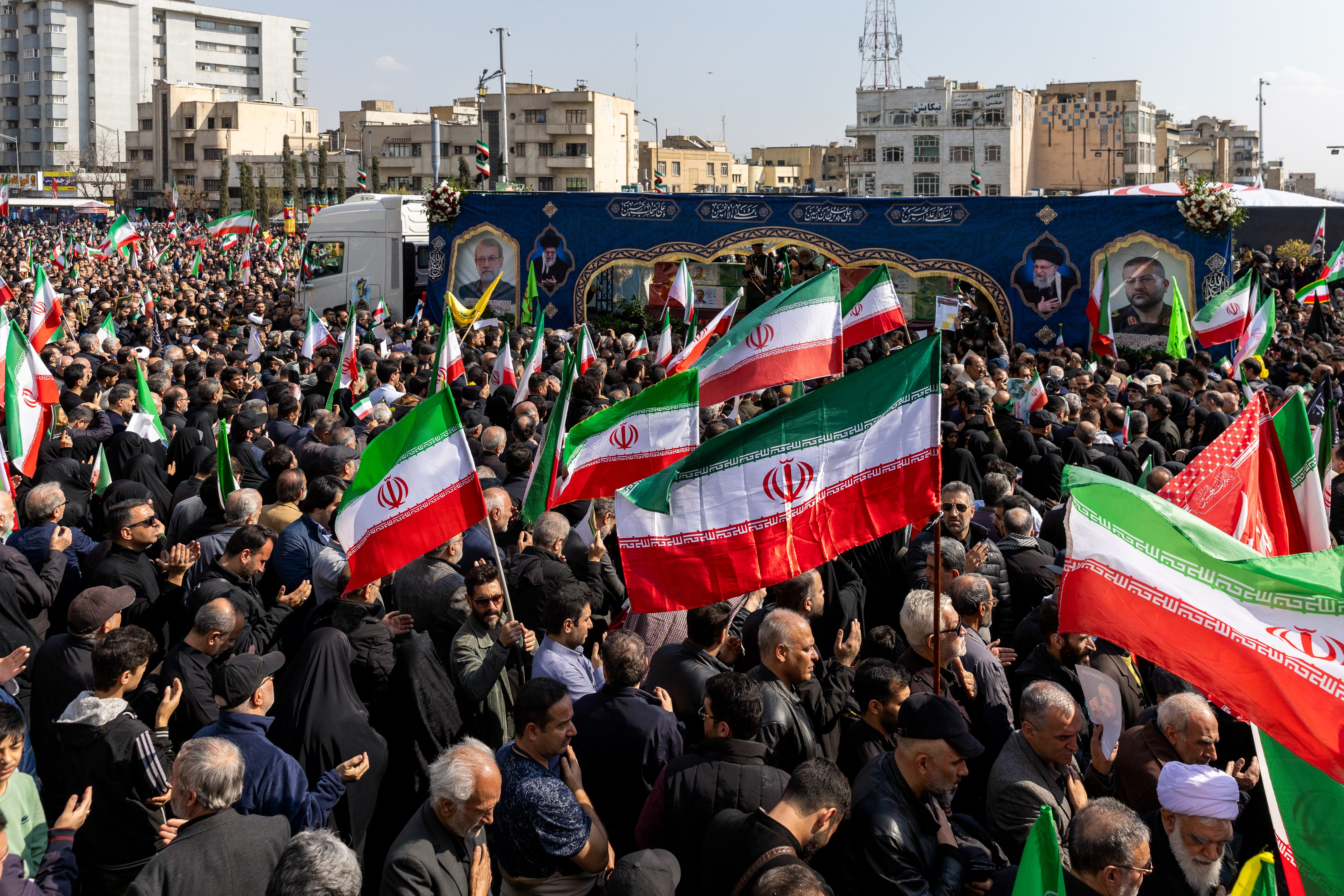
Iran’s win conditions are nearly as well defined: The Islamic Republic survives. If, at the end of this conflict, the Iranian regime still controls the country, then it will have achieved its primary objective. There are secondary and tertiary objectives for the Iranians, and to the extent that they are achieved, they would magnify the scope of their victory. But mere survival is enough to count as a win.
And America? Honestly, who knows? Is reducing the store of Iranian ballistic missiles “victory”? Burying fissile material? Destroying drone production factories? Early in the war the administration said regime change was the goal, but that has already been abandoned. Maybe getting the Strait of Hormuz reopened and the price of oil down to $70/bbl by early 2027 would now count as victory? Maybe simply preserving the petrodollar system and preventing a fork in which the dollar competes with the yuan is a “win”?
You see where I’m going with this: Iran has a clear win condition. The United States does not.
Today I want to think through what happens if we get a dirty finish in which both the United States and Iran can plausibly claim victory. The specifics of the dirty finish don’t really matter3 and you don’t have to think it’s likely. The point of the exercise is imagining what happens if the Islamic Republic can credibly claim that it stood up to the combined might of Israel and the United States; that it held its ground and achieved its strategic objectives; that it demonstrated that mastery of the Strait of Hormuz was both achievable and determinative.
And all the while, the United States is reduced to saying, Bruh, did you see all the splosions? America, fuck yeah!
Because American marks might be fooled by this, but the world’s political, military, and economic leaders wouldn’t be.
So let’s think this through.
Join Bulwark+ to unlock the rest
Become a paying member of The Bulwark to get access to this post and other subscriber-only content. A subscription gets you:
- Unlimited access to articles and newsletters including The Triad by JVL and Receipts by Catherine Rampell.
- Ad-free editions of our shows (with transcripts) and member-only shows like The Secret Podcast.
- Plus community chats and commenting features. Your support helps keep our work sustainable and available to those who cannot afford a membership. Cancel anytime.