

Our Next Big First Amendment Stress Test
The danger of journalists breaking bread with an administration at war with the press.

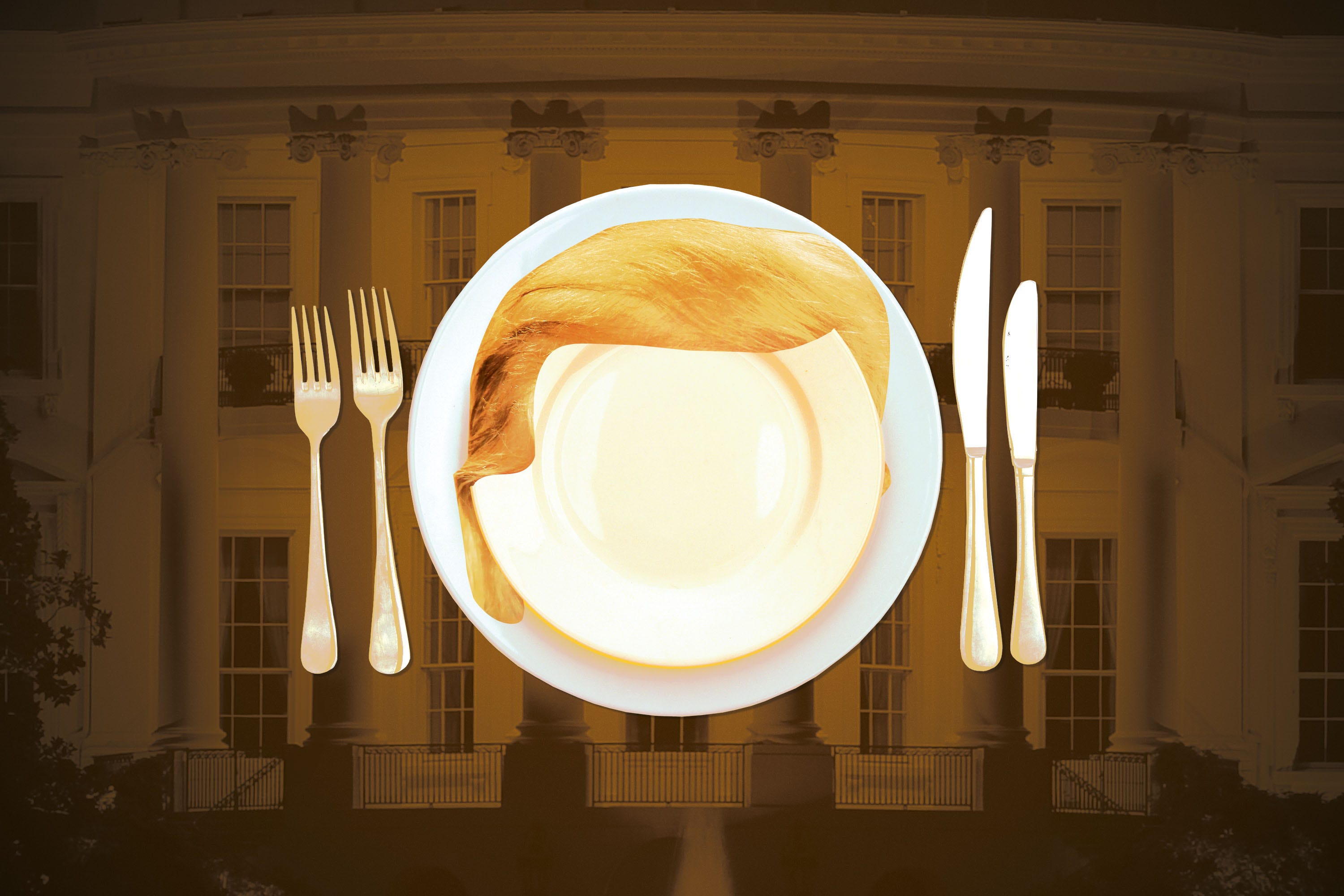
THE MEMBERS OF THE D.C. PRESS CORPS will dust off their black-tie attire and flock to the basement ballroom of the Washington Hilton this Saturday evening for the annual White House Correspondents’ Association dinner.
The evening is supposed to be a celebration of the First Amendment and a toast to the institutions tasked with covering the most powerful person in the world. But this year, some attendees fear it could become a staging ground for their ritualistic humiliation.
Donald Trump will, for the first time, be on the dais. And no one is quite certain if he will use the occasion to disparage the very organizations whose coverage of him the evening is meant to honor. That certainly would be in character for a man who has called reporters “enemies of the people,” accused the New York Times of “treason,” filed numerous defamation lawsuits against independent media outlets, banned the Associated Press from the White House press pool, revoked $1.1 billion in already appropriated federal funding for public broadcasting, and cheered the arrest of reporters. Even if he does not give remarks of that sort, the very fact of his presence on the stage threatens to normalize the attacks on the press he engages in daily.
“[Presidents] all have a version of the same message: ‘I don’t always like what you do, your stories are a pain in the ass sometimes, but I get it. This is part of our democracy, and I respect that.’ That’s not what Donald Trump has said,” said Frank Sesno, a former CNN correspondent, anchor, and Washington bureau chief. “We’re living in a world where this administration, if they don’t like something, they sue the reporter, they sue the news organization.”
Let me say at this point that I recognize that any ink spilled over the WHCA Dinner might come off as insufferable parlor room chatter. While presidents have attended since the days of Calvin Coolidge—using the opportunity to send a public signal about the mutual understanding that democracy cannot thrive without a critical and robust press corps—the affair long ago became a gauche display of Washington’s excesses.
But this year is different. This year will give us a vivid illustration as to the role the White House press corps feels it should play when faced with an administration that is contemptuous of a free press.
And I fear it could go poorly. Because, as I’ve found out in my conversations with fellow reporters,