
Warning: This is about foreign policy, so most of you won’t be into it. But it’s also about Trump and America. It’s important, because many people still don’t fully appreciate the transformation our country has undergone.
So stay with me. We have to do a little geostrategery as a setup, but I think it’s worth it.
1. Choices
Last week’s Shield of the Republic podcast featured a conversation between our friend Eric Edelman and Michael Hunzeker, the coauthor of a new book about Taiwan. You should listen to the whole show, but for our purposes, I’ll give the short version:
Hunzeker spent a few years interviewing high-level foreign policy types in South Korea, Japan, and Australia trying to understand what their reactions would be to a Chinese invasion of Taiwain.1 For about half a century, America has maintained a posture of strategic ambiguity on Taiwan, representing that it might commit to its defense against China. Hunzeker wanted to know what the reactions to America’s choice would be among our allies in the region.
What he found was that our allies had a ranked preference.
In a perfect world, they want America to respond forcefully to Chinese aggression and be swiftly victorious.
The next-best case for them was that America abandons Taiwan while simultaneously expanding its commitment to themselves. Meaning: that America would loudly and clearly establish a defense commitment and also position more assets and troops in the region on a permanent basis.
The worst-case outcome, from the perspective of our allies, was that America intervenes on Taiwan’s behalf and fails—either because China achieves its aims, or because China is thwarted, but at a cost so great that America no longer possessed the military capacity to defend our allies.2
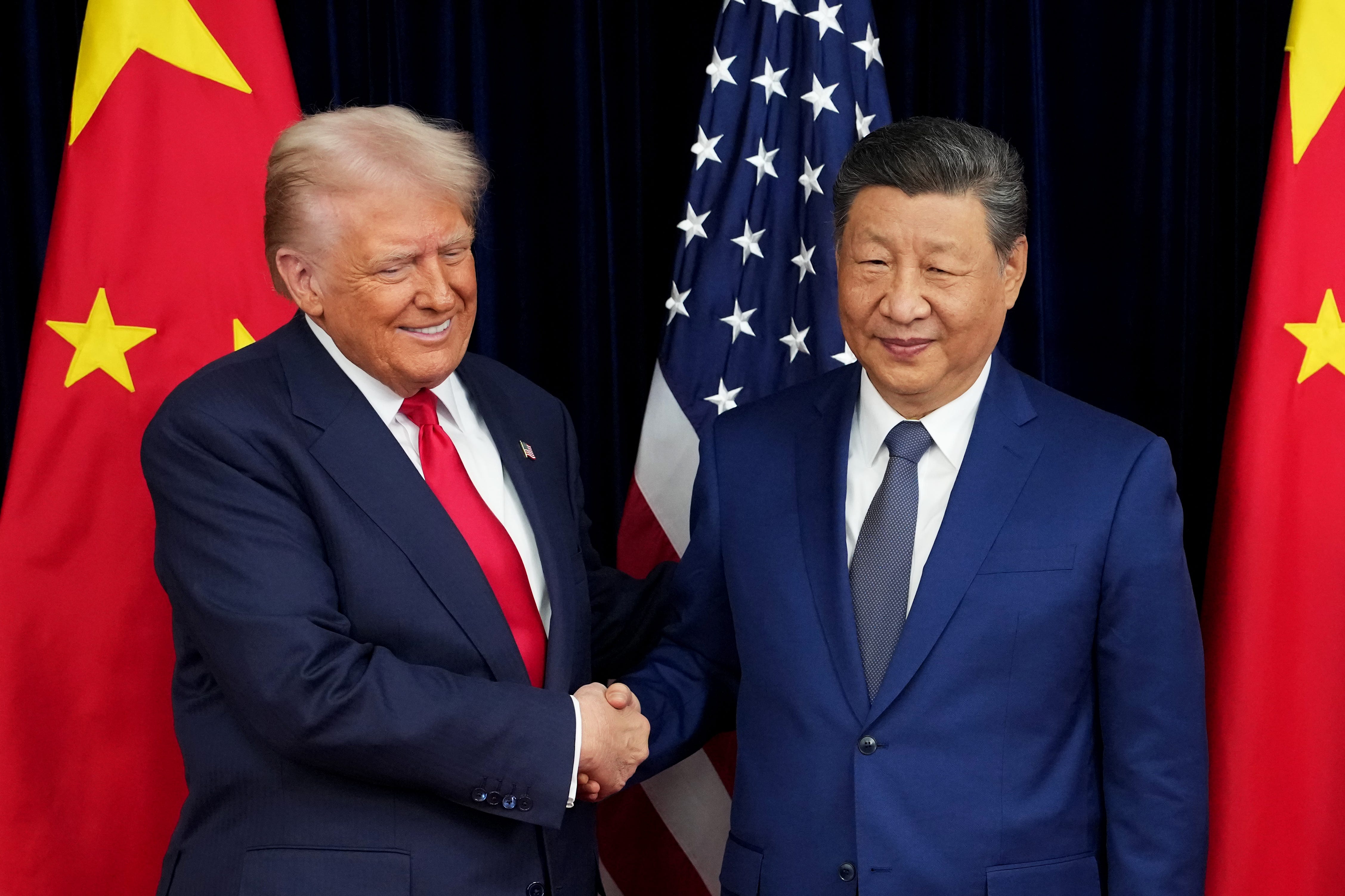
What Hunzeker seems not to have discussed with our Pacific allies is a potential fourth outcome: What if America switched sides?
What if China attacked Taiwan and the American president not only declined to intervene, but said that Taiwan should surrender, because it’s a tiny island and China is a huge empire possessing great strength?
What if America said that our allies in the region should accept China’s claims, because China was the biggest, strongest player?
What if our president’s position was that it was more important for him—and/or America—to have a transactional relationship with China than to preserve the liberal order?
Join Bulwark+ to unlock the rest
Become a paying member of The Bulwark to get access to this post and other subscriber-only content. A subscription gets you:
- Unlimited access to articles and newsletters including The Triad by JVL and Receipts by Catherine Rampell.
- Ad-free editions of our shows (with transcripts) and member-only shows like The Secret Podcast.
- Plus community chats and commenting features. Your support helps keep our work sustainable and available to those who cannot afford a membership. Cancel anytime.