America Is Bleeding Film and TV Jobs. Can Congress Staunch the Flow?
Plus: ‘Fantasy Life,’ reviewed.

I INTERVIEWED OSCAR-WINNING PRODUCER Steve Starkey this week about his new book, On the Set of Forrest Gump, for The Bulwark Goes to Hollywood. He had a ton of great stories to tell from the making of that film. (My favorite: the favor Robert Zemeckis called in to get the perfect voice for their Elvis stand-in.) I hope you give it a listen:

Steve was Zemeckis’s producing partner for many years, producing Death Becomes Her, Cast Away, Flight, and a host of other huge productions in addition to Forrest Gump. He has seen up close how the economics of production have changed, and he laments what’s happened in his home state of California.
“The genie’s out of the bottle,” he said. “So many states and so many countries have incentivized having film productions come to their country or their state. And they did that because it wasn’t offered here in California.” He proceeded to rattle off a handful of places that he and Zemeckis had filmed to keep costs down—Atlanta, Montreal, Vancouver, London, etc.—and noted that talent pools were now available in each of those locations that allowed for better work to be done there. But Los Angeles still has one big advantage for the folks who live there and the studios that remain based in the city.
“Everybody lives in town,” he said. “All you’re going to do is go, you’re just driving to work every day. That’s just a lot easier than going all the way to Atlanta to just go to a stage every day.”
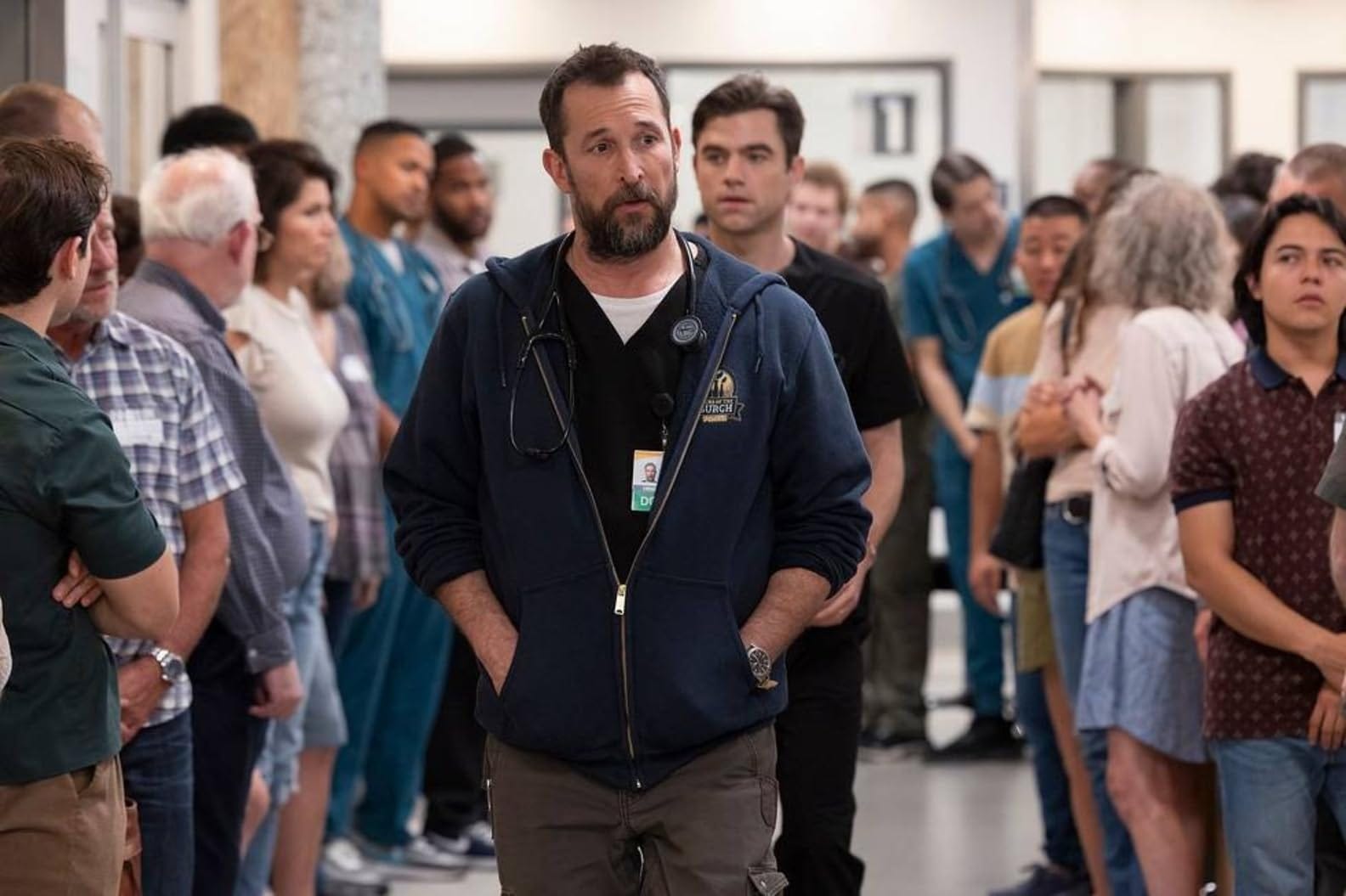
This is the case with The Pitt, the hit HBO drama that wraps up its second season in two weeks.1 Star Noah Wyle and execs like John Wells have been very vocal about the joy of shooting in Los Angeles and how it was only really possible thanks to tax credits and other incentives offered by the state of California.
“Last year we filmed for about 135 days over seven months, plus two months of preproduction. We employed about 350 people, full time. We then brought on an additional about 1,100 people, averaging about 200 new people every day. We worked with about 1,400 background performers, averaging about 200 a day. We spent about $35 million in wages, we spent about $20 million in purchasing: lumber, construction materials, rentals, food,” etc., Wyle said at a press conference last year.
Earlier this month, he credited this job creation to the state’s newly generous tax incentives, noting at a Burbank hearing that the $12 million in savings afforded The Pitt was the cost of roughly two episodes of the show: “The ripple effect of that money . . . stimulates additional economic activity. It’s estimated that the procurements associated with The Pitt, season one, stimulated $22.6 million in contributions to the state’s GDP along a domestic supply chain.” This, Wyle said, led to 150 full-time jobs across the state of California.
Now, there’s some debate about the overall efficacy of tax incentives when it comes to film and TV production. The Motion Picture Association’s website hosts a handy collection of studies demonstrating that tax credits lead to jobs in states as diverse as Texas, New York, and Oklahoma. My friend and noted libertarian Peter Suderman says not so fast: Yes, incentives can lead to a quick boom but as soon as they stop or are topped by better incentives, bye-bye jobs.
Still, the simple truth is that film productions have been fleeing from California and it’s largely because of incredibly generous subsidies in states like Georgia and countries like England. The number of shoot days in Los Angeles is in precipitous decline, dropping 16 percent between 2024 and 2025. I’m sure actors and crew alike would love to sleep in their Los Angeles homes rather than globetrot to find the cheapest soundstage space. But millions of dollars are at stake for each of these productions.
Folks in California have been pushing for a federal tax credit that could be stacked on top of state credits in the hopes of luring production—and jobs—back to the United States. I talked to Rep. Laura Friedman (D-Calif.) about this last year, and Sen. Adam Schiff (D-Calif.) was on Matt Belloni’s podcast last week discussing the ongoing efforts. Details remain light, but Schiff made an important point to Belloni: “It would be a baseline of 15 percent, but then you would add on, depending on whether work comes back and other factors,” he said. But “all of that, of course, will be the subject of negotiation. This has to be bipartisan. It won’t be successful otherwise.”
And this is where everything comes to a screeching halt. Donald Trump has his own preference for solving this problem: He wants to mash the “tariff” button on his desk. Even if a tariff would, potentially, be a way to short-circuit the race to the bottom that escalating tax credits represents, no one has any idea what a “100 percent tariff on foreign films” would look like in practice. Even though film production is a job producer in red and blue states alike—yes, California would be a big beneficiary here, but there are tons of productions in Texas and Georgia as well—rank-and-file Republicans aren’t likely to stick their neck out for filmmakers without Trump’s go-ahead. The primary attacks are simply too easy to imagine: Why does JOHN CONGRESSMAN back bailouts for HOLLYWOOD LIBS who HATE YOU?
And this is why the fight over film tax credits is perfectly representative of America’s problems. There are arguments for and against such a credit: I am skeptical of some of the rosier upsides, but it’s almost inarguable that foreign interference in the market is leading to a brain drain and the degradation of a legitimate economic hub in America. It would be nice to have a debate about this that didn’t simply boil down to ‘Well, how do we best fluff Donald Trump’s ego?’
But I guess we’re still a few years away from that.
THIS WEEK I REVIEWED The Drama, in which Robert Pattinson and Zendaya play a couple about to get married who suddenly learn some big things about one another. The top half of the review avoids spoilers, but you’ll have to read through to the bottom half to really get a sense of what those crazy kids and writer-director Kristoffer Borgli are up to:
‘The Drama’ Review

[Note: The Drama is a film about secrets and our reaction to them, and, as such, it is difficult to discuss without spoilers. So in the top half of this essay, I will endeavor to review it sans significant plot points outside of the very basics; after the jump, we’ll discuss a bit more of what wri…
Assigned Viewing: Fantasy Life (Theaters)
I DON’T OFTEN ASSIGN THEATRICAL FILMS, but I wanted to highlight the indie festival hit Fantasy Life, which expands from a single theater in New York City last weekend to a nationwide release this weekend.
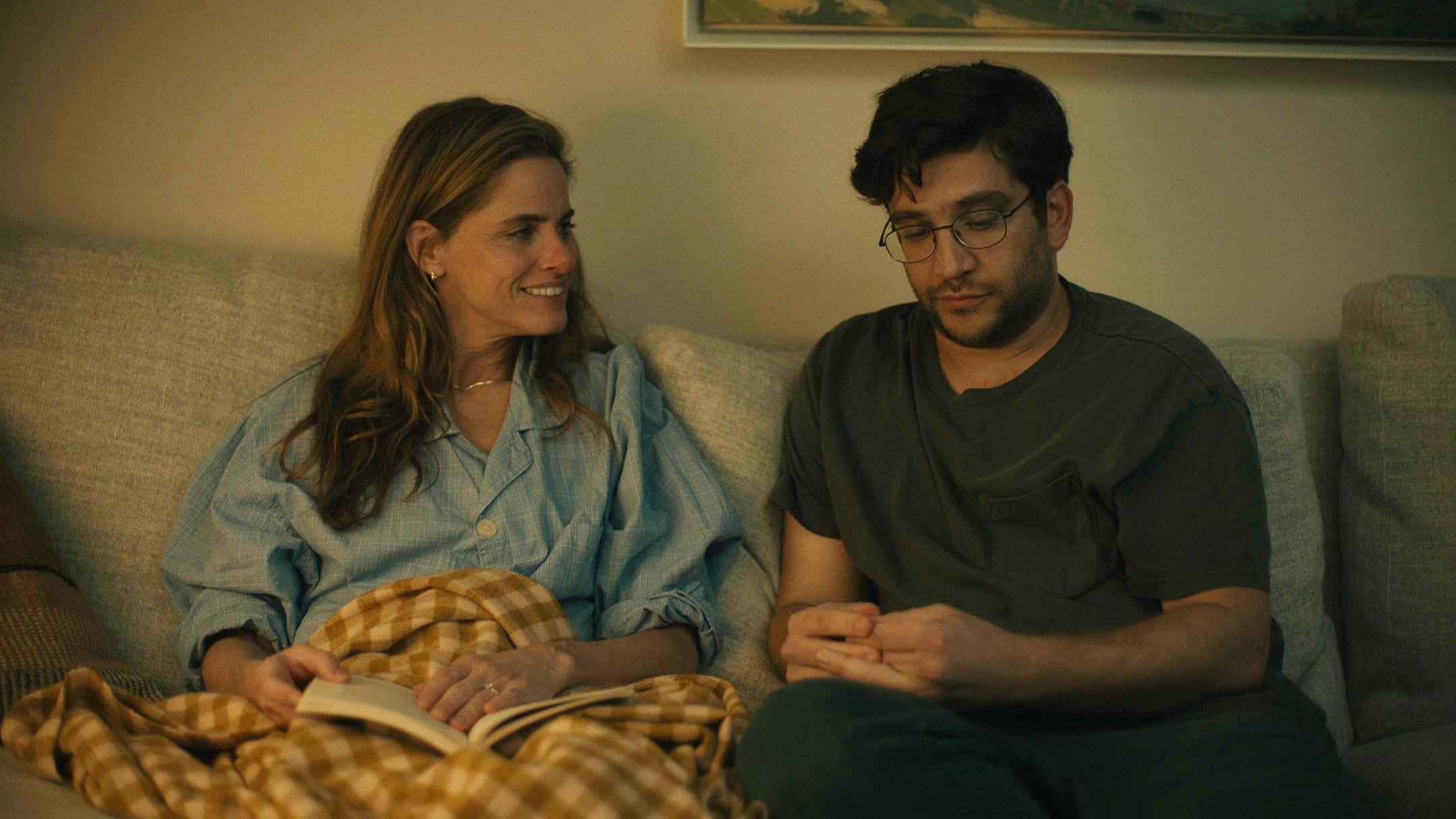
Sam (Matthew Shear, who also directed and wrote the screenplay) is a nebbishy New Yorker: awkward and fussy with a touch of OCD and a near-crippling set of internal anxieties about what he feels when he sees fellow Jews on the street. After getting a new medicine dosage from his psychiatrist, Fred (Judd Hirsch), he also gets a new job from Fred’s wife, Helen (Andrea Martin): A manny gig for their bass-playing son, David (Alessandro Nivola) and his fading movie-star wife, Dianne (Amanda Peet).
The setup here is deceptively simple, and you can see a way in which Shear could have veered toward the commonplace: Sam spends his time watching David and Dianne’s three girls, learning how to be normal from them while also falling for Dianne, herself in search of some attention given her inability to get an acting job as a woman aging out of starlet roles but not quite old enough for grand dame parts. But Shear eschews the easy way out: When things start to get too cozy, Dianne emotionally clams up; there is no big, romantic release in this film. It’s mostly just a movie about folks who are all a little awkward, none entirely certain how the world sees them.
It’s a character study, is what I’m saying, and Shear has assembled an A+ cast for it. Nivola, hot off his outstanding work in The Brutalist and The Many Saints of Newark, brings a sort of studied cluelessness to his work as the aging hipster wannabe rock star who lucks into the real thing late in life. He projects both the confidence of a performer and the insecurity that comes with being a minor part of any performance he’s in; there’s a very funny moment where he betrays actual hurt at the fact that his wife, Dianne, doesn’t think his mustache is cool. He thinks his mustache is cool, but it’s clear others have told him his mustache is cool. So maybe it isn’t cool. Why doesn’t she think it’s cool? Does she not think he’s cool?
Shear does a good job of allowing this to be Peet’s film: She expertly embodies the aging actress who isn’t quite sure what the future holds for her, and we get glimpses of the insanity the life of an actress generates. The constant fear that age has robbed you of your most important asset—your looks—battered about by the constant insistence from agents and loved ones alike that you’re fine, everything’s good, things will pick up. No wonder she’s a bit of a mess. If Peet gets an Oscar nod for this (and I think she deserves it), I hope they use the sequence of her auditioning for an awful-sounding dystopian sci-fi film.
The cast is perfect throughout. Every movie could use Judd Hirsch. Bob Balaban has a nice turn as Dianne’s Sam-skeptical father. Zosia Mamet, always a delight, shows up for a single scene near the end. And Jessica Harper, star of cult Brian De Palma classic, Phantom of the Paradise, is lovely as Dianne’s mother.
It’s a pleasing and pleasant ninety-minute indie comedy with soulful performances and solid laughs that may get lost in the shuffle of the two huge releases duking it out (Project Hail Mary and Super Mario Galaxy) and a star-driven mid-major (The Drama) sucking up most of the rest of the screens, I hope you seek it out.
Last night’s episode was the antepenultimate episode, not the finale. Apologies, I’m an episode behind myself and was working on bad intel. This is what I get for not watching the episodes live.
Thanks for talking about the job situation in Hollywood. I think there's possibly more to it than just shooting in California, though that is a significant part of the problem. But also just the amount of production in general has decreased, because people's viewing habits have changed but also because streamers offer content from different times and eras and it feels limitless to viewers even though there are less shows created. The amount of shows per season, the amount of seasons per show is changing. Cheaper shows like game shows and talkers aren't happening like they used to and that was a lot of people's bread and butter.
One note on The Pitt: there's still two episodes left of season 2, it didn't wrap last night