
1. Thank You
I was up late after our live show in D.C. last night. Just thinking about how 1,100 people would take time out of their lives on a weeknight to be with us. It was overwhelming.
I don’t have anything more coherent to say than Thank you.
To everyone who came out last night or will be in New York on Saturday. To everyone who reads this newsletter. To everyone who emails me, or comments. I am more profoundly grateful than you can understand.
Someday I’ll figure out a way to properly express this gratitude. Until then, from the bottom of my heart: Thank you.
We’ll release the D.C. show for everyone tonight on The Next Level feeds, on our YouTube channel, and on our new Watch page on the site.
2. Das Kapital
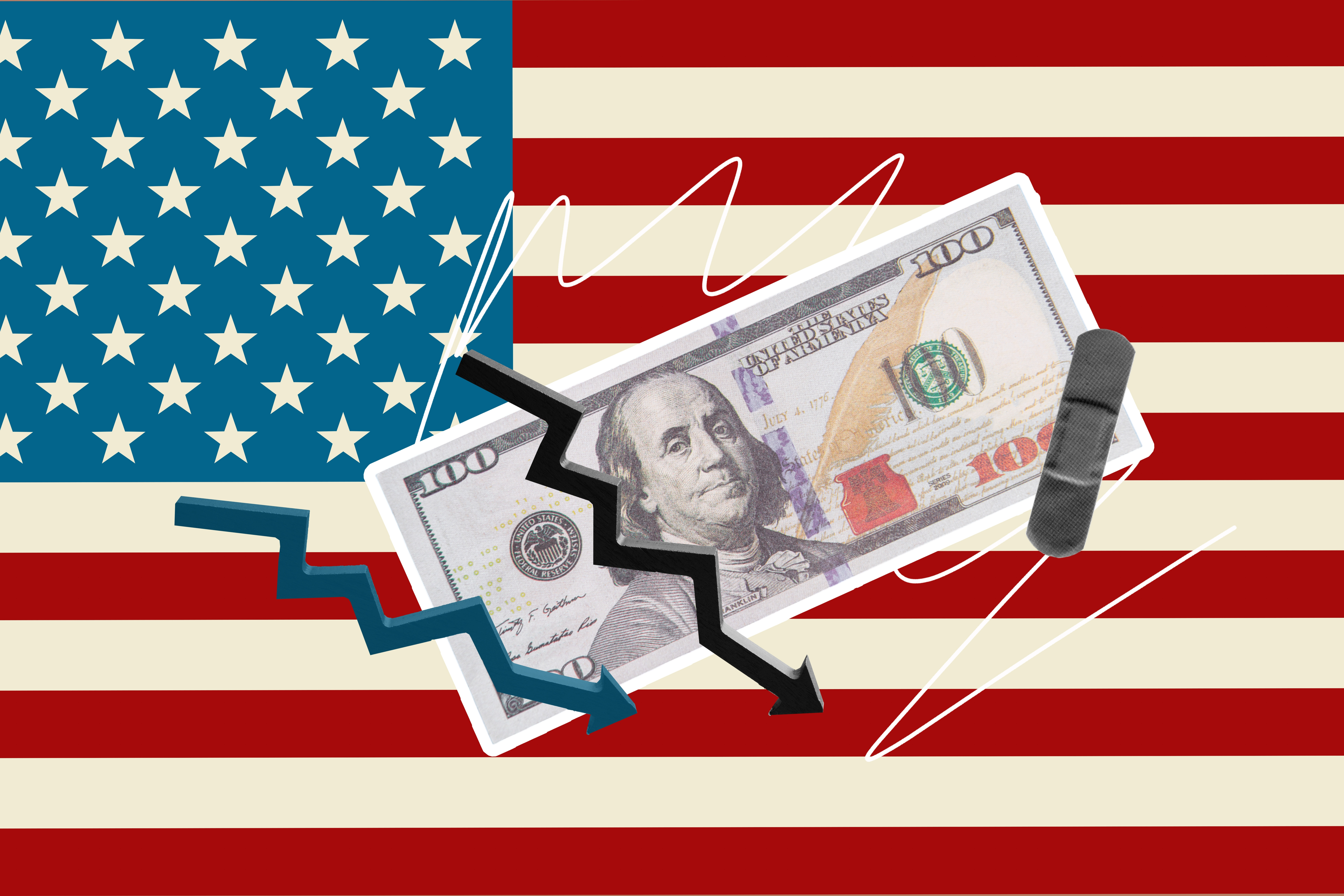
Since I’m all emo today, let’s go off the news and talk about something big-picture: late-stage capitalism.
And tomorrow I’m going to tie that idea into a question about what I’m coming to think of as late-stage democracy.
This will be a journey. I’m not entirely sure where it’s going and it may not even be correct. But it’s a systemic lens that I want to look through as we try to understand where we are, really, and what our possible future states might be.
My thesis is that if we are trending toward late-stage capitalism, then it would make sense that we would also be trending toward late-stage democracy. And vice versa. In the American context, these two systems are inextricably linked. Decline in one will necessarily cause decline in the other.
So strap in for part 1.
I’m sure somebody has a formal academic definition for “late capitalism,” but when I think of the term I envision two paradigms that combine to swamp the efficient, free-market allocation of capital:
Crony capitalism and corruption, which choke out the rule of law and reduce the extent to which markets are “free.”
The transformation of markets from capital-allocation machines to casinos in which finance becomes just another form of gambling.
Reasonable people can argue how far down the path we are to #1, but I do not believe anyone would claim that we weren’t on the road. The U.S. government now takes active shares in major companies; doles out exceptions to tariffs based on flattery of the supreme leader; disappears securities investigations against favored figures; and commingles the supreme leader’s family finances with national trade policy.
We are not Vladimir Putin’s state-controlled Russia (yet), but we are a long way away from the America of 1980, or 2000, or even 2016.
Where things get controversial is #2 . . .
Join Bulwark+ to unlock the rest
Become a paying member of The Bulwark to get access to this post and other subscriber-only content. A subscription gets you:
- Unlimited access to articles and newsletters including The Triad by JVL and Receipts by Catherine Rampell.
- Ad-free editions of our shows (with transcripts) and member-only shows like The Secret Podcast.
- Plus community chats and commenting features. Your support helps keep our work sustainable and available to those who cannot afford a membership. Cancel anytime.