This May Be the Cruelest, Most Senseless Thing Trump Has Done
A conversation with Atul Gawande about the human toll of the dismantling of foreign aid.

SECRETARY OF STATE MARCO RUBIO was indignant in May when, at a hearing before Congress, lawmakers asserted that the Trump administration’s cuts to international aid were killing people.
“No one has died,” Rubio insisted.
It was not an especially believable claim, even then. But death from disease and starvation can be difficult to detect quickly. And it had been less than five months since Trump had signed an executive order halting global assistance—or since then-adviser Elon Musk had tweeted gleefully about “feeding USAID into the wood chipper.”
That was a reference to the United States Agency for International Development, which John F. Kennedy established in 1961 to help the world’s neediest people and make America safer by promoting stability and generating goodwill abroad. Trump and his team decided to dismantle the agency because it was supposedly too “woke” or too wasteful—or, maybe, because it was an easy first step in their radical downsizing of the federal government.1
Among those most alarmed was Atul Gawande, the surgeon and award-winning writer who had overseen USAID’s global health programs during the Biden administration. He spent much of the winter and spring imploring Trump allies in Congress to save the agency, citing its long history of bipartisan support, including from then-Senator Rubio. As hopes for a reprieve faded, Gawande turned to spotlighting the consequences—partly to build a case for rescuing what could be rescued and rebuilding what couldn’t, and partly just to bear witness.
“They’re trying to make the loss of life invisible,” Gawande told me this week, “they’re trying to deny the reality, and the first task is making the invisible visible.”
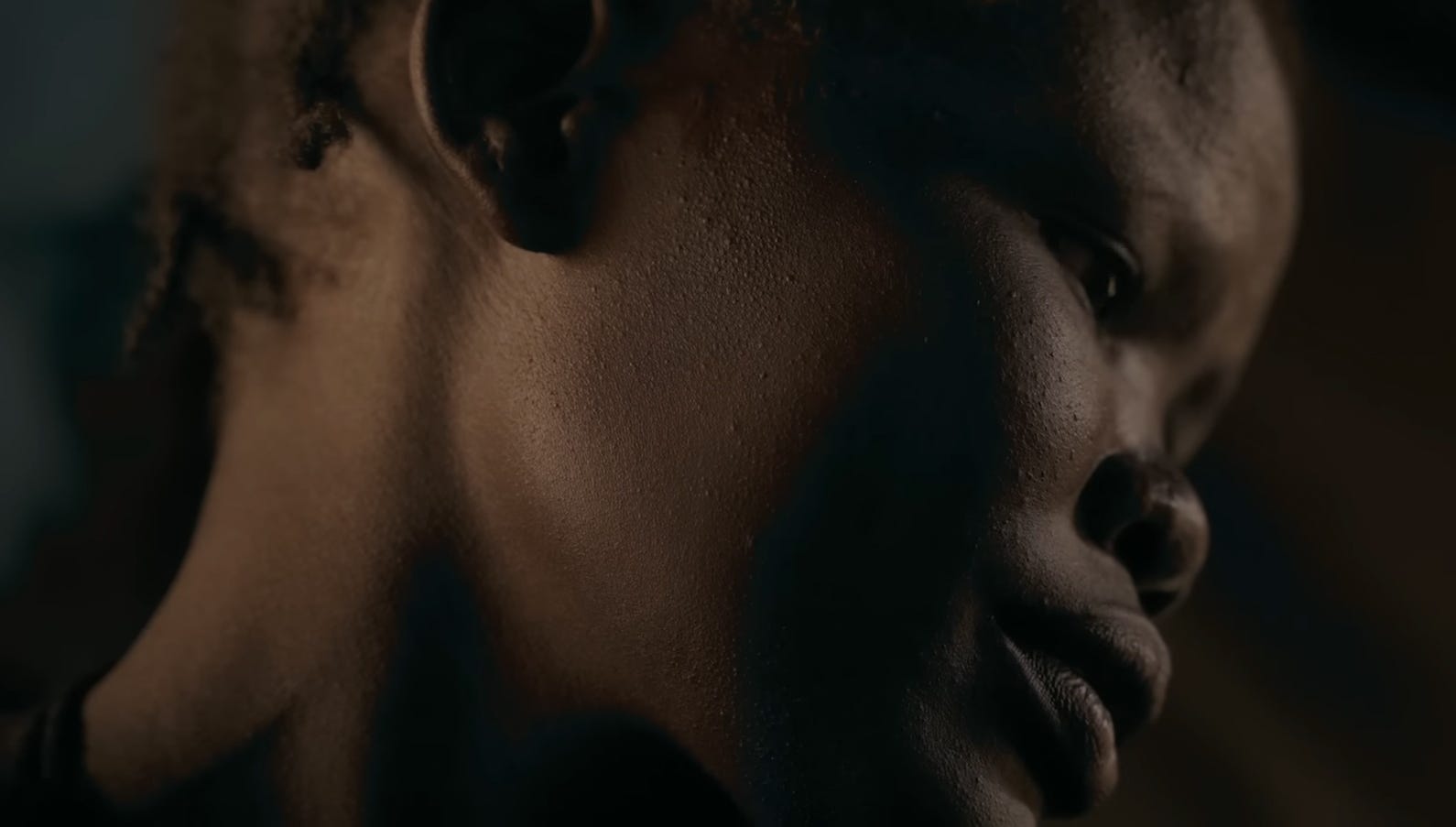
The impetus for our conversation was a new documentary called Rovina’s Choice that Gawande has produced together with the New Yorker. The documentary is about a Sudanese refugee in Kenya and her attempts to get help for her daughter, Jane, who is suffering from severe malnutrition.
The film depicts the physical toll on Jane and others, including how a loss of ability to regenerate skin cells leads to painful, burning fissures that won’t heal—and to a literal thinning of skin that makes it increasingly difficult to maintain body temperature or prevent infection. But another wrenching part of the story may be the emotional toll on Rovina and her entire family, and the excruciating decisions she must make to protect them all.
None of this has to happen, as Gawande explained in our conversation. Starvation can seem like one of those intractable, hopeless realities governments can’t change. But the development of “Plumpy’Nut”-style paste and deployment of aggressive community outreach efforts have transformed food assistance over the past two decades, possibly saving more than 1 million lives in 2023 alone, according to UNICEF.2
The tragedy—and human toll—of abandoning those advances are an important theme of Rovina’s Choice. It’s also what he and I discussed during our interview. You can watch the whole thing on YouTube and read some excerpts below.3
JONATHAN COHN: Can you summarize what has happened to USAID and global assistance under Trump?
ATUL GAWANDE: When the inauguration happened, I left the office at 11:59 a.m. And within hours, the president signed orders halting the foreign aid. By the weekend, Secretary Rubio had implemented and sent letters out that no U.S. dollars could be spent in global health.
That meant HIV medicines, tuberculosis medicines, malaria nets on the shelf could not be given. Food aid could not be given. It was immediately clear hundreds of thousands of lives would be lost.
But [Elon] Musk continued to swing his chainsaw, and you had the entire dismantling of USAID, the purging of the staff, the termination of more than 80 percent of the awards and projects underway, the kneecapping of the rest—all against legal mandates.
[Infectious disease modeler] Brooke Nichols has led a team that has estimated 600,000 people have died already so far, 400,000 of them children. But it is hard to see. You can see the deaths that are related to childbirth. You may not see the deaths for a while where HIV is going out of control. It can take months or years sometimes for a death to occur from TB.
It’s also hard to see because
Join Bulwark+ to unlock the rest
Become a paying member of The Bulwark to get access to this post and other subscriber-only content. A subscription gets you:
- Unlimited access to articles and newsletters including The Triad by JVL and Receipts by Catherine Rampell.
- Ad-free editions of our shows (with transcripts) and member-only shows like The Secret Podcast.
- Plus community chats and commenting features. Your support helps keep our work sustainable and available to those who cannot afford a membership. Cancel anytime.