The Trader in the Oval Office
The volume of Trump’s stock trading towers over Congress’s problematic transactions.

Fortune Teller
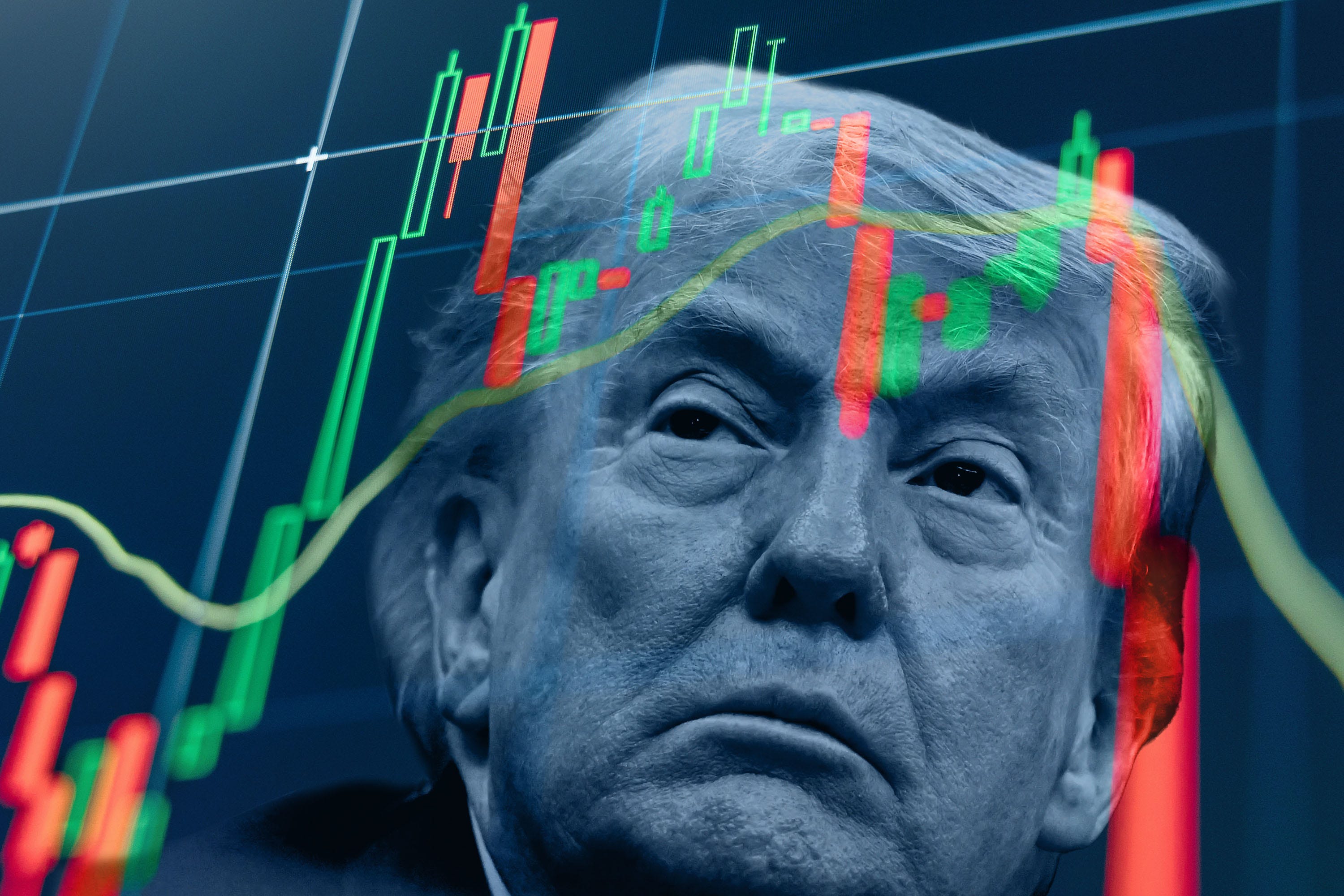
Donald J. Trump has used his position as president of the United States of America to enrich himself in a variety of ways. From accepting luxurious gifts and suing his own government for billions of dollars to pooling revenues from the sale of seized Venezuelan oil in Qatari bank accounts and demanding payments from other countries to join a private “board of peace” organization he controls unilaterally, the president has shown that when it comes to the hustle, he’s never stopped hustling. But alongside these grand tactics of malfeasance, the president has also found time to ply more relatable styles of corruption. For instance, he’s bought and sold staggering volumes of stock in companies whose fortunes he’s had a hand in elevating or diminishing.
In the Office of Government Ethics’s recent disclosure, Trump conducted more than 3,600 trades with a combined value of up to $750 million during just the first three months of 2026. His purchases and sales included the stocks and bonds of top corporations, small ones, and companies the administration has directly promoted through policy and public statements. He did brisk business in the technology, banking, and entertainment sectors.
Filling in as press secretary on Wednesday, Vice President JD Vance told reporters “the president doesn’t sit at the Oval Office on his computer on his Robinhood account buying and selling stocks. That’s absurd.” True enough—someone (or a team of people) is obviously making the trades for him. But they’re still his transactions being conducted in his name using his money. The whole thing reeks of the same unethical behavior that earned Congress its reputation for corruption over the years.
These types of trades, which are at best unethical and at worst horribly corrupt, are hardly new in Washington. Members of Congress frequently buy and sell stakes in companies under the direct purview of their respective committees. Their transactions sometimes signal that a company is set to receive special treatment of some kind—through a contract or grant, perhaps, or some form of regulatory relief. And barring that, these transactions at least suggest the policymaker knows which way the wind is blowing for the company or its industry, and for reasons that may not be visible to the public.
But Trump’s case is different. And it’s not just because of the brazenness of his approach but the sheer volume of his trading.
Join Bulwark+ to unlock the rest
Become a paying member of The Bulwark to get access to this post and other subscriber-only content. A subscription gets you:
- Unlimited access to articles and newsletters including The Triad by JVL and Receipts by Catherine Rampell.
- Ad-free editions of our shows (with transcripts) and member-only shows like The Secret Podcast.
- Plus community chats and commenting features. Your support helps keep our work sustainable and available to those who cannot afford a membership. Cancel anytime.