America’s Generals Shouldn’t Face Political Loyalty Tests
Keeping politics out of the military is what keeps the military out of politics.

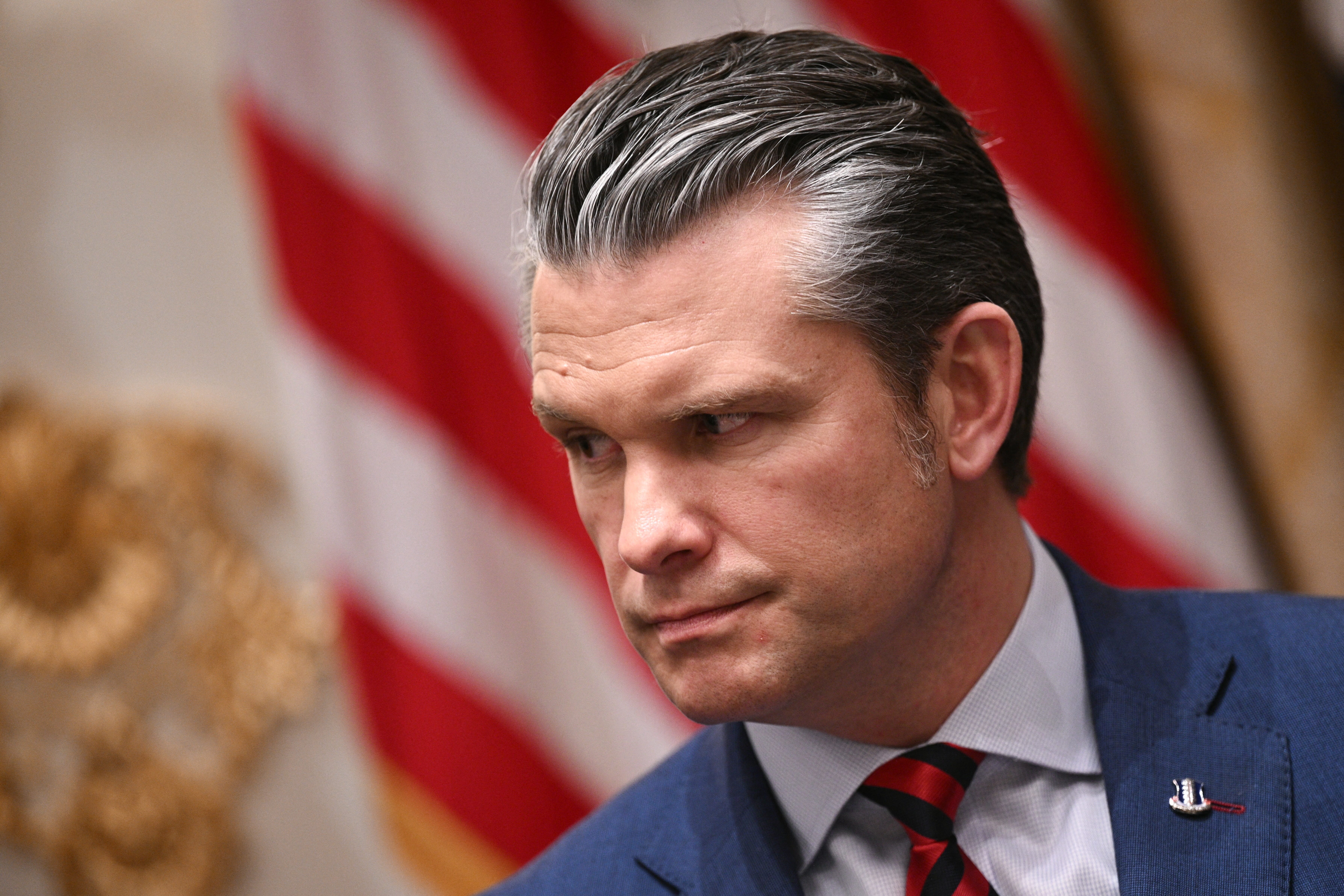
SECRETARY OF DEFENSE PETE HEGSETH has spent much of his time in office on issues and activities that don’t normally concern the nation’s top defense official: convening every general and flag officer for a harangue/political rally, castigating the performance of the military’s chaplains, competing with other cabinet secretaries in fitness challenges—and, according to recent reporting, holding up the normal promotion process for suspect political reasons.
The annual selection of brigadier generals in the U.S. Army is one of the most deliberate and disciplined personnel processes in the service. The Army does not promote to general officer rank casually; it promotes because the institution trusts them with strategic leadership of the force and the lives of the nation’s sons and daughters.
Each year, from among hundreds of colonels, the active Army selects about thirty for promotion to brigadier general. Congress caps the total number of general officers authorized for each service, so new one-stars enter only as other generals retire. The list of new promotees that emerges reflects the Army’s future senior leadership across all its branches: infantry, armor, artillery, aviation, cyber, logistics, intelligence, medical, and so on.
The generals on the promotion boards who choose those thirty or so lucky colonels every year are guided by the Army’s needs for senior leaders in command and staff roles, the demand for particular areas of expertise, and the requirement to balance the force. Each year, several combat arms officers, a significant number of logisticians, and officers with unique qualifications—foreign language fluency, cyber expertise, regional specialization, or other critical skills—are selected because they have demonstrated exceptional potential. These selections reflect not only past performance but the Army’s projection of future strategic demands.
The boards review decades of evaluations written by commanders and civilian leaders detailing operational performance, moral character, intellectual capacity, and the ability to lead increasingly large and complex organizations. By the time an officer has already passed all the tests to make it from second lieutenant to colonel, the margin between those selected to wear a star and those not selected is razor thin.
Then, the statutory civilian approval process begins. The secretary of the Army and the secretary of defense review the recommendations, and the president then sends the list of selected officers to the Senate for final approval, as required by our Constitution. Civilian control is preserved, while the integrity of the professional system ensures selections are based on merit and institutional need—not politics.
Sometimes the promotion lists are delayed for any number of reasons. Some of those delays are justified, as when questionable behavior by specific officers requires a double check. In 2023, Sen. Tommy Tuberville recently delayed the release of four-star nominees for months over a policy fight with the Biden administration that had nothing to do with the officers on the list. Currently, the list has been in limbo for several months, and it seems that is due to a personality conflict.
The reason the one-star list has been held up in recent months appears to be the inclusion of Col. Dave Butler, an officer with a flawless career and huge potential.
The inclusion of Butler, a highly respected public affairs officer, on the promotion list is an acknowledgment not only of his performance but also of the Army’s need for key senior leaders in a critical specialty. Public affairs officers (PAOs) face an even steeper climb to the general officer ranks than others. A senior PAO is selected only once every two or three years, reflecting the small number of general officer billets in that field. When a PAO’s name appears on this list, it signals that officer is truly deserving and that the Army recognizes the strategic contribution and potential that he or she has in the area of communication, public trust, and alliance credibility.
The entire one-star promotion list has been delayed for months, reportedly because Hegseth personally asked the secretary of the Army to remove Butler from the promotion list—an extraordinary and highly unusual intervention by a civilian leader who likely has little firsthand knowledge of Butler’s career or the decades of service that led to his selection.
More disturbing is the reported rationale: Butler’s association with leaders Hegseth dislikes, including former Chairman of the Joint Chiefs of Staff Gen. Mark Milley.
If true, this action crosses a dangerous line.
Army officers do not choose their bosses. They serve where assigned, executing lawful orders in support of national policy. To punish an officer for having served under a particular senior leader is to misunderstand the very nature of military service. It replaces merit with perceived political loyalty.
Personalities matter in the Army, as they do in any organization, because leaders shape the formations through their priorities, communication styles, and the command climate they set. Over time, personalities help shape the Army’s culture itself—how candidly officers speak, how they manage risk, how they build trust. But there is a profound difference between recognizing that personalities influence culture and allowing personal grievances to dictate personnel decisions at the highest levels.
The implications are immediate and corrosive.
If promotions to general officer rank can be rescinded for perceived associations with others, officers may begin to prioritize “safe” assignments or noncontroversial bosses. Candor—already fragile in large bureaucracies—may diminish if officers fear that honest service under controversial leaders will later be used against them. The apolitical ethic that underpins the profession of arms risks erosion.
The Army’s strength has always rested on trust: trust that performance matters more than patronage, that merit outweighs politics, and that the institution protects those who serve honorably in any job they are assigned. Undermining that trust does not merely harm an officer’s career; it weakens the foundation of professional military service.
Civilian oversight of the military is essential in a democracy. But that oversight must reinforce, not erode, the norms that keep the force professional and nonpartisan. When political considerations appear to override a rigorous, merit-based selection process—especially through direct, personal intervention—the damage extends far beyond a single name on a promotion list.
The message heard across the force is unmistakably clear: Your career may depend not on how well you serve, but on whom you once served under.