

How Studio Consolidation Hurts Customers
Plus: Let’s go on ‘The Hunt,’ shall we?

To all my friends in Dallas: Make sure you check out the Dallas International Film Festival, which kicks off on Thursday. There are a bunch of interesting movies on tap; one in particular I’m looking forward to checking out is Keep Quiet, a cop drama set on tribal lands starring Lou Diamond Phillips and Nick Stahl, who I’m glad to see get back on his feet and onto the screen. But there’s all sorts of great stuff to check out; find something to your taste!

THE BIG NEWS THIS WEEK was that a thousand—then two thousand, soon to be four thousand—folks in the movie business had signed a letter opposing the purchase of Warner Bros. by Paramount Skydance. You can read the letter here or the writeup in the New York Times here—or better yet, listen to some of the key figures discuss it with me.
First up is Damon Lindelof of Lost, The Leftovers, and Watchmen fame. After reading his Instagram post about the fear that came with signing the letter, I reached out to see if he be willing to talk in more detail about that emotion. Because if Lindelof—who is almost inarguably one of the most powerful people in the industry, with a bunch of hits and a great overall deal at Warner Bros.—is afraid to speak up, where does that leave everyone else?
Then on this week’s Bulwark Goes to Hollywood, I chatted about the letter’s origins and what has been lost in the indie ecosystem over the last decade or so as streaming has ripped the guts out of the home-video market and specialty labels have felt the squeeze from the increasing demand for blockbuster economics. Joining me were Ted Hope of Hope for Film and Jon Reiss and Jax Deluca of the Future Film Coalition, all signatories of the letter:
What America Loses If WB and Paramount Merge

Special two-part episode of the podcast! The big news in Hollywood this week has been the burgeoning effort by Hollywood creatives to fight the purchase of Warner Bros. by Paramount Skydance. Thousands of names—including some of the biggest in the business—have signed an open letter in the hopes of demonstrating that not ever…
Meanwhile, in Las Vegas, David Ellison appeared before the CinemaCon throngs shortly after his studio pulled advertising from the Ankler over Richard Rushfield’s protest of the merger and reiterated a promise the studio has been making since the deal neared approval: a “minimum” of thirty films a year released by Paramount and Warner Bros. Ellison also committed to a forty-five-day theatrical-exclusive window. Set aside the questions swirling around CBS and CNN and the effect of more consolidation of the news media in the hands of someone hand-picked by the Trump administration to own both of those outlets.1 A lot of the angst about this deal depends on just how much you believe Ellison when he makes these promises like this:
When the transaction is completed, Ellison pledged that Paramount Pictures and Warner Bros. would make a “minimum” of 30 films for theaters across both studios.
“At Paramount, we’ve already demonstrated – since launching the new company just eight months ago – our ability to increase output with 15 films currently dated for 2026, up from eight in 2025,” said Ellison. “We want to tell even more great stories on the big screen – stories that make people think, laugh, dream, wonder and feel – and we want to share them with as broad an audience as possible.”
There are two separate issues here. One is the windowing, which I think most believe is necessary for the theatrical experience to survive.2 Whether or not forty-five days to transactional video-on-demand and ninetydays to streaming video-on-demand is a big enough window, I don’t know. (I tend to think probably not, at least on the SVOD front: Six months would do more than three months to encourage folks to show up at theaters. Still: It’s a step in the right direction.)
The thirty-film commitment, on the other hand . . . I simply don’t believe it will happen and I don’t know anyone who does. The reason for this is twofold. One, Warner Bros. and Paramount haven’t combined to release thirty films per year for a long time. And two, when Disney and 20th Century Fox merged in the 2010s, their combined number of releases plummeted:
In 2016, Disney and 20th Century Fox released 26 new titles in more than 2,000 domestic theaters each. This year, the combined total is 14, a 46 percent decline. The impact of this drop on domestic box office is that 20th Century titles (Fox is no longer part of the title) are projected to gross $900 million less this year than in 2016, a drop of 63 percent.
Fewer releases mean fewer production jobs and fewer jobs in theaters. They also mean a reduction in consumer choice, as the combined studio is unlikely to compete against itself on any given weekend. It’s bad all around.
This is how consolidation hurts us all.
Review: Lee Cronin’s The Mummy
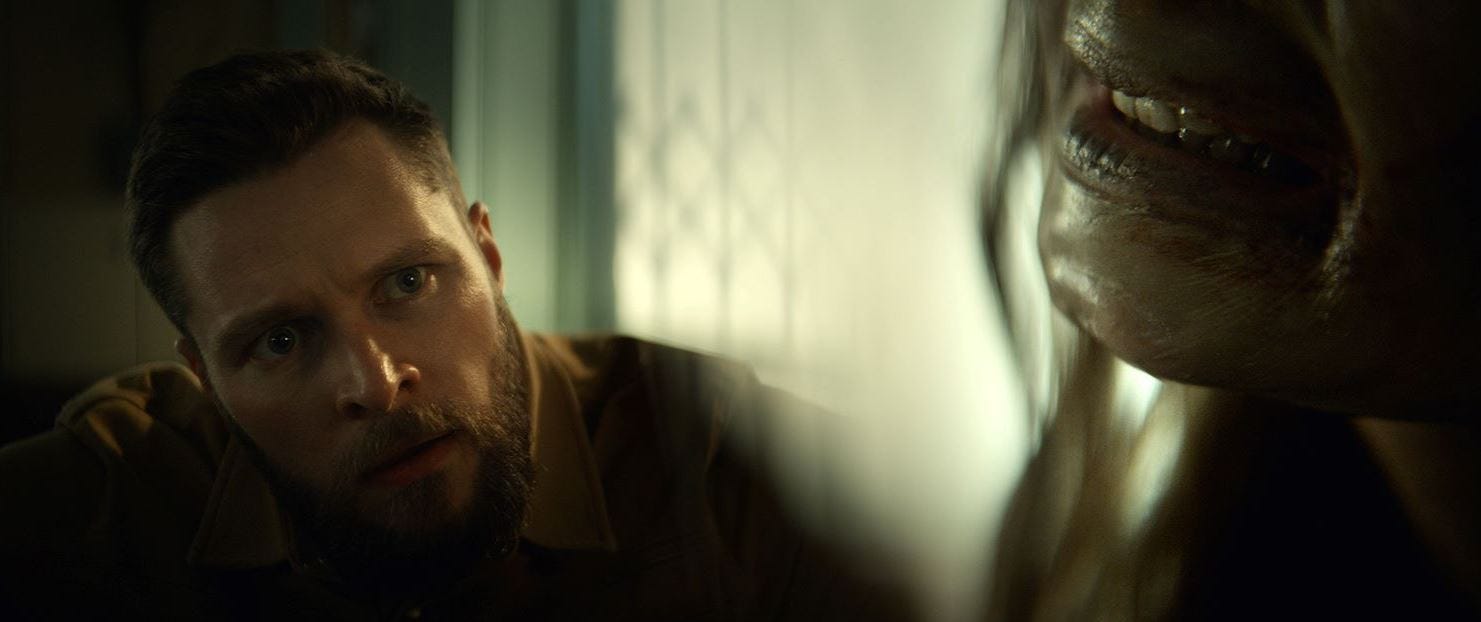
SPEAKING OF HURTING US ALL: I did not care for Lee Cronin’s The Mummy. I actually quite disliked it. A snippet from the top of my review:
I’ve written before about my critical hangups regarding children-in-peril films, so I won’t belabor that point here. But I feel the need to link to that piece and state, for the record, that Lee Cronin’s The Mummy is a film that is, at heart, not only about cruelty to children but kind of revels in depicting that cruelty. As a result, I must admit to not only not enjoying it, but also finding it vaguely repugnant.
Assigned Viewing: The Hunt (Peacock)
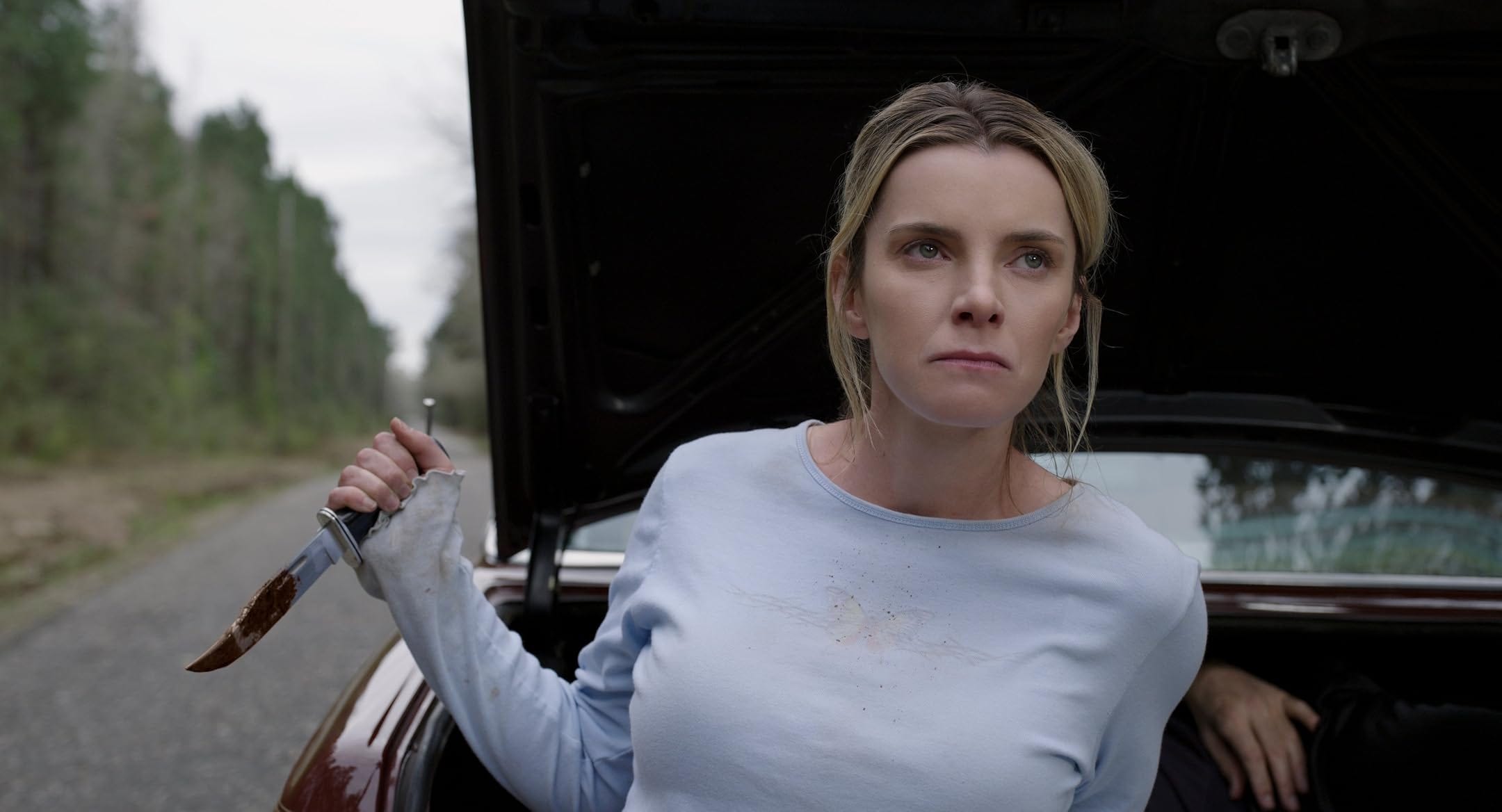
NOW THAT I HAVE Damon Lindelof’s contact information, I plan on slowly convincing him to partake in an oral history of 2020’s The Hunt.
Now, you may be asking yourself why I would want to do this. ‘The Hunt? I kind of remember that movie. Like The Most Dangerous Game, right? But with conspiracy theorists?’ But The Hunt exists at a crossroads of a bunch of interesting, overlapping phenomena. It’s a movie that was first delayed following a pair of mass shootings and then ran afoul of Donald Trump, who painted it as a film about corrupt elites gleefully hunting good-natured Red Staters for fun. Then it was lambasted by some on the left when it turned out the film poked a bit of fun at liberal pieties. And then, shortly after its release, COVID hit, shutting down theaters for months on end. (Indeed, The Hunt was the last film I saw in theaters before the world closed for business.) I can only imagine the stories still to be told about the strategy sessions that went into figuring out how to release this and then the sense of doom that must have unfurled once it finally did get a release and a mysterious plague shuttered society entirely.
Also: I just enjoy the movie! It’s an entertaining exploitation flick with a slightly nasty edge and a bunch of great supporting performances from folks like Amy Madigan, Ethan Suplee, Ike Barinholtz, and Glenn Howerton, to say nothing of stars Betty Gilpin and Hilary Swank. It’s fun! A little silly at times, sure, but I think you’ll enjoy it if you watch it.
I am not saying this is unimportant, I am simply saying it’s not what I’m discussing today. Though I did talk about it a bit with Damon and Ted and Jon and Jax. Go listen to those podcasts, people!
Whenever this comes up, someone hops into the comments to tell me they do not care if theaters die. That’s great, I’m happy for you, you really don’t need to repeat yourself today, okay? Your objections have been noted and you are free to wait for the forty-five days so you can watch it on your TV at home while you scroll Instagram.
I struggle to find a better example of “talk being cheap” than promising 30 movies from two different studios from a company that will have $79B in debt.
I don’t see how this turns out well for David Ellison. Running one studio was going to be a stretch for him.
My husband is going to love you. I am a big "no creative death" kind of a gal, but your watch assignment for The Hunt will probably be added to our options this weekend. I hate scary-ish movies, but you've intrigued me. If I end up having nightmares, I'm going to write a strongly worded letter to The Bulwark. :)